
27 Aug

0
437
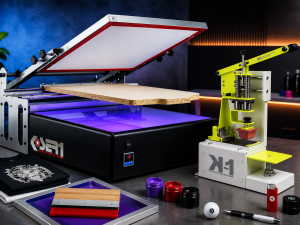
Anyone new to product printing runs into the same question sooner or later: screen printing or pad printing? These two techniques are often mentioned together, sometimes as if they were interchangeable, but in reality they answer very different needs. Understanding how each works, where it excels and where it struggles is the first step to avoid in..
23 Jun
0
1880
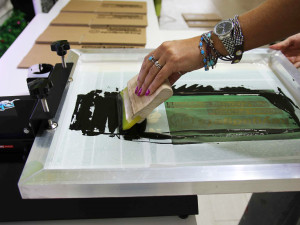
You've tried screen printing at home but the results aren't what you expected? Blurry edges, ink bleeding, emulsion that won't hold, screens that clog up. It happens to everyone, especially at the beginning. The good news is that almost every DIY screen printing mistake has a specific cause — and an equally specific solution.
This guide covers the..
01 May
1
3107
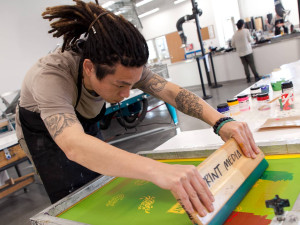
Screen printing is a creative, practical, and surprisingly accessible technique. If you’ve ever
seen custom t-shirts, posters, or printed merchandise, you’ve probably wondered how they are made.
In many cases, the answer is screen printing.
In this guide, you’ll learn in a simple and clear way how screen printing works, wh..
29 Apr
0
7596
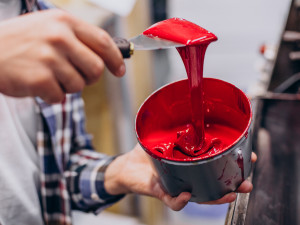
Screen printing remains one of the most versatile and widely used printing methods, especially when it comes to textiles, promotional products, and custom apparel. It is valued for its ability to produce vibrant colors, high durability, and consistent results across large production runs. However, the final quality of a print is not defined only by..
24 Feb
0
4312
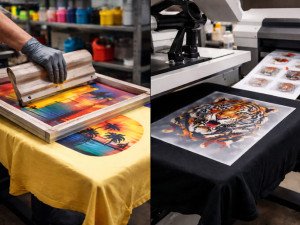
If you are planning to print custom t-shirts, sooner or later you will hear the same two options mentioned over and over again: screen printing and DTF (Direct To Film). Both methods are common in the custom apparel world, and both can produce good-looking results.
The problem is that most explanations focus on the technology itself, not on what a..
14 Jan
0
4779
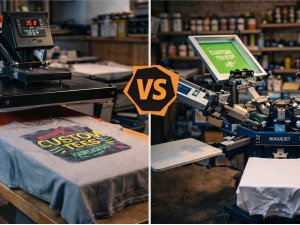
Choosing between heat press and silk screen printing is one of the most common dilemmas for beginners and small business owners entering the custom printing world. Both methods are widely used for decorating T-shirts, hoodies, tote bags, and promotional products, yet they work in completely different ways and serve different goals. The right choice..
11 Jan

0
6510
Starting a small screen printing workshop is one of the most practical ways to turn creativity into a real, scalable business. Whether you want to print custom T-shirts, branded workwear, posters, or fabric products, screen printing offers an excellent balance between quality, durability, and production cost. Unlike many quick-print methods, a well..
09 Jan
0
2864
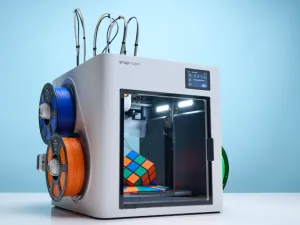
In recent years, 3D printing has transformed the way companies and professionals design and produce objects. This technology, initially used mainly for industrial prototyping, is now finding increasingly interesting applications in the world of promotional products and custom promotional items.
For companies investing in promotional marketin..
07 Jan

2
9702
Screen printing is one of the most reliable and versatile printing methods, but the quality of the final result always starts with the design. Knowing how to create a design for screen printing is essential if you want clean lines, strong colors, and prints that look professional on fabric, paper, or other flat surfaces. Unlike digital printing, ..
04 Jan
0
17630
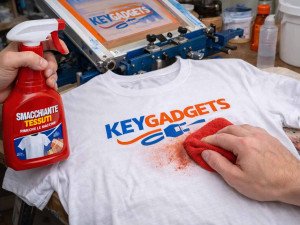
Screen printing is one of the most durable and widely used methods for decorating T-shirts and other textile products. Its popularity comes from the ability to produce bold colors, strong opacity, and prints that can withstand repeated washing and long-term wear. At the same time, this durability often leads to a common practical question: how to..
31 Dec
1
10030
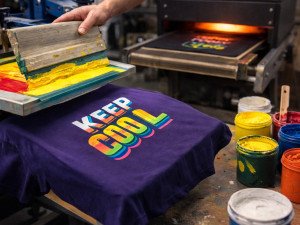
Plastisol ink remains one of the most widely used inks in screen printing, especially in apparel production. Its popularity comes from reliability, vibrant color output, and long-lasting results on a wide range of fabrics. For beginners and experienced printers alike, understanding how plastisol ink behaves on press is essential for achieving con..
27 Dec

0
7498
Water based inks have become a popular choice in screen printing thanks to their soft hand feel, eco-friendly profile, and versatility across different fabrics. However, many printers quickly discover that achieving great results with these inks is not just about how the print looks coming off the screen. The real challenge begins after printing,..