
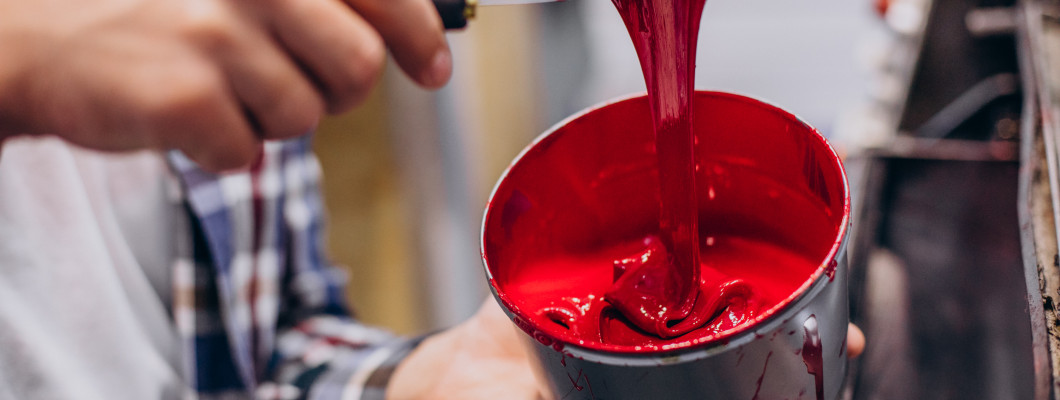
Screen printing remains one of the most versatile and widely used printing methods, especially when it comes to textiles, promotional products, and custom apparel. It is valued for its ability to produce vibrant colors, high durability, and consistent results across large production runs. However, the final quality of a print is not defined only by the equipment or technique, but largely by the type of ink used during the process. Understanding the different types of ink for screen printing is essential if you want to achieve the right balance between visual appeal, performance, and production efficiency.
Each ink type behaves differently depending on the material, printing conditions, and curing process. What works perfectly on cotton T-shirts may fail on synthetic fabrics, and an ink that delivers bright, saturated colors might not provide the flexibility or durability required for long-term use. Factors such as fabric type, mesh count, curing temperature, and even environmental considerations all play a role in how ink performs. This is why both beginners and experienced printers need a clear and practical understanding of how inks differ and how to choose the right one for each specific application.
In this guide, we will break down the most common types of ink for screen printing, including plastisol, water-based, and solvent inks, focusing on their real-world use rather than just theory. You will learn their key characteristics, advantages, limitations, and typical use cases in different printing scenarios. By the end, you will be able to make more informed decisions, optimize your workflow, and select the most suitable ink for your projects or business goals.
What Are the Main Types of Ink for Screen Printing?
When discussing the types of ink for screen printing, it is important to understand that each ink is designed for specific applications, materials, and production goals. The most commonly used inks in the industry are plastisol, water-based, and solvent inks, each offering different performance characteristics in terms of durability, appearance, and ease of use. Choosing the right ink is not only about preference but about matching the ink properties with the fabric type, printing method, and expected result.
In simple terms, each ink type solves a different printing problem:
- Plastisol ink – ideal for bold, vibrant prints with high opacity and durability
- Water-based ink – perfect for soft-touch prints and breathable designs
- Solvent ink – commonly used for non-textile surfaces and industrial applications
Each of these ink types plays a specific role in screen printing, and understanding their strengths allows you to avoid common mistakes such as poor adhesion, fading, or incorrect curing.
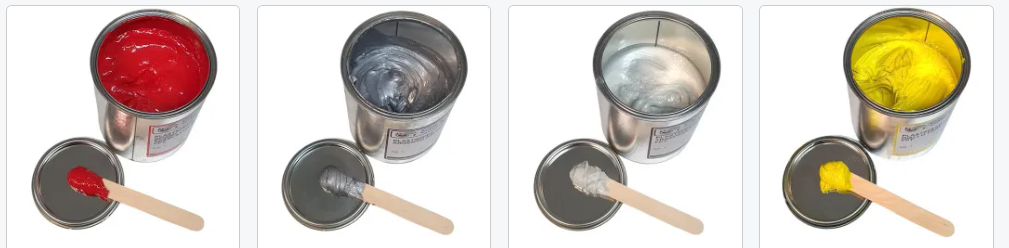
Plastisol Ink for Screen Printing: Why It’s the Industry Standard
Plastisol ink is the most widely used option in screen printing, especially in textile production, due to its reliability and ease of use. Unlike other inks, plastisol does not dry out in the screen, which makes it highly suitable for long production runs and beginners who need more control during the printing process. It provides excellent opacity, making it ideal for printing on dark garments, and delivers consistent, vibrant results with relatively simple curing requirements.
This makes plastisol a go-to solution for most commercial printing setups:
- Does not dry in the screen, allowing longer working time
- High opacity, especially on dark fabrics
- Easy to print and forgiving for beginners
- Strong durability after proper curing
- Works well with a wide range of fabrics
Despite its advantages, plastisol requires proper heat curing to achieve full durability, and it does not provide the same soft feel as water-based inks. However, for many businesses and production environments, its consistency and reliability make it the default choice.
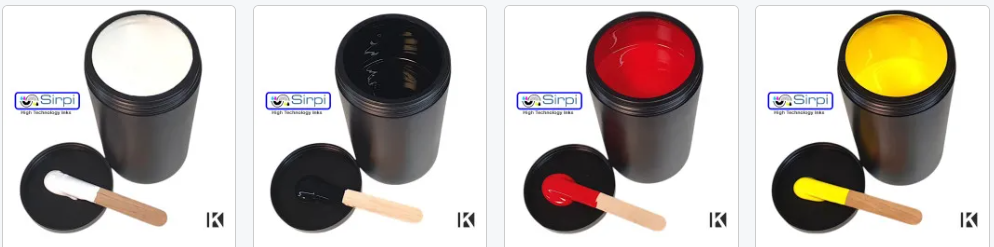
Water-Based Ink in Screen Printing: When Soft Feel Matters Most
Water-based ink is widely used in screen printing when the goal is to achieve a soft, breathable print that feels almost invisible on the fabric. Unlike plastisol, this type of ink penetrates the fibers instead of sitting on top of them, resulting in a more natural look and feel. It is especially popular for light garments, fashion brands, and eco-conscious production, where comfort and sustainability play a major role in decision-making.
This type of ink is preferred when print quality goes beyond just visual appearance:
- Creates a soft-hand feel with no heavy ink layer
- Absorbs into fabric rather than coating the surface
- Ideal for light-colored garments and detailed designs
- More environmentally friendly compared to plastisol
- Suitable for high-end apparel and fashion printing
Tip: Use water-based ink on 100% cotton for best results, as synthetic blends can reduce absorption and affect print quality.
While water-based inks deliver excellent results in terms of comfort and appearance, they require more control during printing. They dry faster in the screen, which means printers need to work efficiently or use additives to slow down drying. With proper technique, however, they offer a premium finish that is difficult to achieve with other ink types.
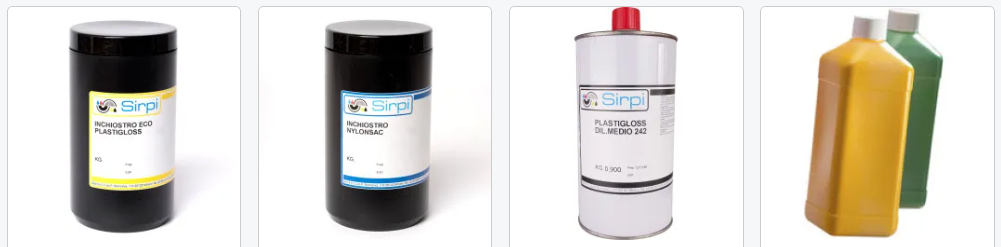
Solvent-Based Ink for Screen Printing: Best Choice for Non-Textile Surfaces
Solvent-based ink is commonly used in screen printing when working with non-porous materials such as plastic, metal, glass, or vinyl. Unlike textile-focused inks, this type is designed to bond strongly with hard surfaces, making it a reliable option for industrial printing, signage, and promotional products. Its durability and resistance to environmental factors make it essential in applications where prints must withstand outdoor conditions or heavy use.
In practical terms, solvent ink is used in situations where standard textile inks are not suitable:
- Strong adhesion to plastic, metal, and coated surfaces
- High resistance to weather, chemicals, and abrasion
- Suitable for signage, labels, and industrial printing
- Provides long-lasting and durable results
- Works well for both indoor and outdoor applications
Tip: Always ensure proper ventilation when working with solvent inks, as they contain chemicals that require safe handling conditions.
Although solvent inks are not typically used for fabric printing, they play a critical role in expanding the capabilities of screen printing beyond textiles. For businesses offering a wide range of printed products, understanding and using solvent inks can significantly broaden production opportunities.
Plastisol vs Water-Based vs Solvent: Which Screen Printing Ink Should You Choose?
Choosing between different types of ink for screen printing depends on several factors, including the material you are printing on, the desired finish, and the production setup. Each ink type has its own strengths and limitations, and selecting the wrong one can lead to poor print quality, reduced durability, or inefficient workflow. That’s why a direct comparison helps simplify the decision-making process.
To better understand the differences, here is a quick comparison:
| Ink Type | Best For | Feel on Fabric | Durability | Ease of Use |
|---|---|---|---|---|
| Plastisol | T-shirts, dark fabrics | Thick, sits on top | Very high | Easy |
| Water-based | Light garments, fashion | Soft, absorbed | Medium to high | Medium (dries fast) |
| Solvent | Plastic, metal, signage | Not for fabric | Very high | Medium |
Each ink type serves a different purpose, and there is no universal “best” option. The right choice always depends on your specific project requirements, production scale, and the type of surface you are working with.
Common Mistakes When Choosing Screen Printing Ink
One of the most common issues in screen printing is choosing the wrong ink for a specific application. Many beginners focus only on color or price, ignoring critical factors such as fabric type, curing requirements, or print durability. Even experienced printers can run into problems when switching materials or scaling production without adjusting their ink choice accordingly.
In most cases, these mistakes happen because key technical factors are overlooked:
- Using water-based ink on synthetic fabrics without proper additives
- Choosing plastisol without correct curing temperature
- Ignoring mesh count compatibility with ink type
- Applying textile inks on non-porous surfaces
- Not considering the final feel of the print
Tip: Always test your ink on a sample material before full production to avoid costly mistakes and wasted materials.
By understanding how different inks behave and planning ahead, you can avoid most of these problems. A small adjustment in ink selection can significantly improve print quality, reduce errors, and make your entire production process more efficient.
Conclusion: Types of Inks for Screen Printing
Understanding the different types of inks for screen printing is essential for achieving consistent, high-quality results, whether you are printing custom apparel, promotional products, or industrial items. Plastisol, water-based, and solvent inks each have their own strengths, and choosing between them should always be based on the specific requirements of your project rather than personal preference alone. The right combination of ink, material, and process is what ultimately defines the final outcome.
Each ink type solves a different challenge in screen printing. Plastisol offers reliability and ease of use, making it ideal for most production environments. Water-based inks provide a softer, more premium feel that is especially valued in fashion and eco-conscious markets. Solvent inks, on the other hand, expand your capabilities beyond textiles, allowing you to work with hard surfaces and outdoor applications. Understanding these differences allows you to make smarter decisions and adapt your workflow depending on the job.
In practice, successful screen printing comes down to choosing the right tools for the right task. By selecting the appropriate ink type and testing it under real conditions, you can improve print quality, reduce production errors, and create more professional results. Over time, this knowledge becomes a key advantage, helping you optimize your process and deliver products that meet both technical standards and customer expectations.
Leave a Comment