
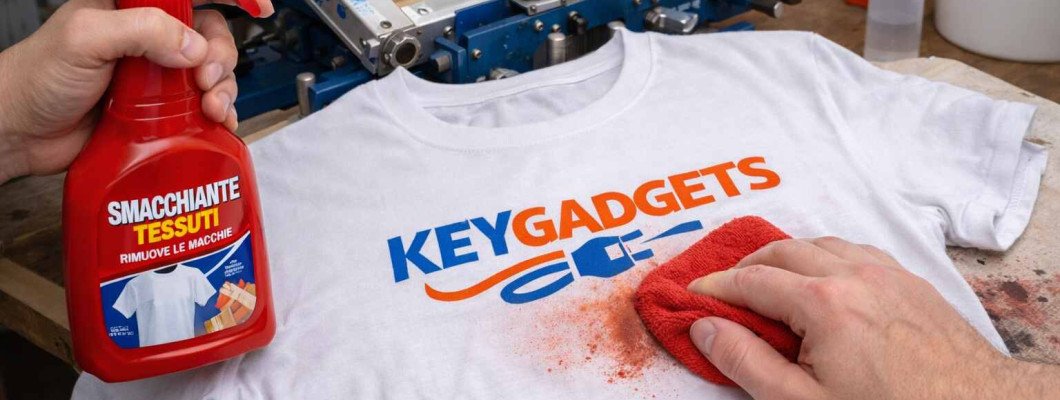
Screen printing is one of the most durable and widely used methods for decorating T-shirts and other textile products. Its popularity comes from the ability to produce bold colors, strong opacity, and prints that can withstand repeated washing and long-term wear. At the same time, this durability often leads to a common practical question: how to remove screen print from a shirt when the design is no longer needed. Whether it is a printing mistake, outdated branding, a test garment, or a personal project, the need to remove an existing print arises more often than many people expect.
Unlike temporary transfers or lightweight digital prints, screen printing ink is designed to bond firmly with fabric fibers. Once the ink is properly cured, it becomes flexible, resistant, and difficult to break down. This makes the removal process more complex than simply washing or peeling off the design. The effectiveness of any removal method depends on several key factors, including the type of ink used, the fabric composition of the shirt, the age of the print, and the curing process. Without understanding these elements, attempts to remove a print can easily result in fabric damage, discoloration, or permanent texture changes.
It is also important to approach screen print removal with realistic expectations. In many cases, complete removal without any trace is not possible, especially when dealing with thick ink layers or deeply absorbed pigments. The goal is usually to reduce visibility as much as possible while keeping the garment wearable. This article focuses on safe and effective approaches, explains what can and cannot be achieved, and helps readers understand when removal is worth attempting. By knowing how screen printing behaves on fabric, it becomes easier to choose the right method and avoid unnecessary damage to the shirt.
How Screen Printing Ink Bonds to Fabric
To understand how to remove screen print from a shirt, it is important to know how screen printing ink interacts with fabric. Screen printing inks are designed to bond strongly with textile fibers and remain flexible after curing. This bond allows the print to withstand washing, stretching, and daily wear, but it also makes removal difficult.
Plastisol inks, commonly used for T-shirt printing, cure through heat and form a durable layer that sits mostly on the surface of the fabric. Water-based inks penetrate deeper into the fibers and dry through evaporation, which often makes them harder to remove without affecting the material itself. Discharge inks remove the fabric dye and replace it with pigment, meaning there may be no actual ink layer to lift from the shirt.
The strength of this bond depends on several factors, including the type of ink, the fabric composition, the thickness of the print, and how well the ink was cured. Cotton, polyester, and blended fabrics all react differently to heat and chemicals, which directly affects how successful removal methods can be.
Key factors that influence ink adhesion include:
- the type of screen printing ink used
- the fabric material and fiber structure
- the thickness of the ink layer
- the curing temperature and time
- the age of the print and washing history
Because of these variables, some prints can be softened and partially removed, while others may only fade or leave a visible outline.
Common Methods to Remove Screen Print from a Shirt
There is no universal method that works for every shirt and every print. Most screen print removal techniques aim to weaken the ink’s bond with the fabric rather than eliminate it completely. The effectiveness of each method depends on the ink type, fabric, and condition of the print.
Heat-based methods soften the ink layer, making it more flexible and easier to lift from the surface. Chemical methods use solvents or ink-breaking agents to disrupt cured ink, but they can also affect fabric color or texture if used incorrectly. Mechanical methods rely on gentle scraping or friction after the ink has been softened, while washing techniques are typically used to fade prints gradually rather than remove them entirely.
The most commonly used approaches include:
- Applying controlled heat to soften the ink
- Using chemical solutions to break down cured ink
- Lifting softened ink with careful mechanical action
- Repeated washing to reduce print visibility
TIP: Always test any removal method on a small, hidden area of the shirt first. This helps you understand how the fabric reacts and reduces the chance of permanent damage.
Screen Printing Ink Types and Removal Difficulty
The type of ink used during screen printing plays a major role in how easy or difficult it is to remove a print from a shirt. Different inks interact with fabric fibers in different ways, which directly affects how they respond to heat, chemicals, and mechanical action. Understanding these differences helps avoid unrealistic expectations and unnecessary damage to the garment.
Some inks form a surface layer that can be softened, while others penetrate deeply into the fibers and become part of the fabric itself. The table below outlines how common screen printing ink types typically behave during removal attempts.
| Ink type | How it bonds to fabric | Removal difficulty |
|---|---|---|
| Plastisol ink | Sits mostly on the surface, heat-cured | Medium |
| Water-based ink | Penetrates fibers, air and heat cured | High |
| Discharge ink | Replaces fabric dye | Very high |
| Solvent-based ink | Strong chemical bond | High |
Plastisol ink is often the most responsive to removal methods because it forms a distinct layer that can sometimes be softened. Water-based and discharge inks are much harder to remove cleanly, as they become integrated with the fabric structure. In these cases, removal usually results in fading rather than full elimination.
TIP: If the print feels raised and rubber-like when touched, it is more likely to be a surface ink that can be partially removed. Prints that feel smooth and embedded into the fabric are usually much harder to reverse.
Fabric Types and How They React to Print Removal
The fabric of the shirt is just as important as the ink itself when attempting to remove screen printing. Different textiles react differently to heat, solvents, and friction, which can greatly influence the final result. A method that works on one shirt may cause damage on another made from a different material.
Common fabric reactions include:
- Cotton fabrics generally tolerate heat and mild chemicals better than synthetics
- Polyester fabrics can warp, melt, or discolor when exposed to high heat
- Blended fabrics react unpredictably due to mixed fiber behavior
- Lightweight fabrics are more prone to stretching and surface damage
- Dyed fabrics may lose color or develop uneven patches during removal
Because fabric structure varies, removal methods should always be adapted to the specific shirt being treated. Applying aggressive techniques without considering fabric type often causes more harm than the original print.
Choosing a cautious approach based on fabric composition increases the chances of reducing the print while keeping the garment wearable.
Risks and Limitations of Removing Screen Printing
Even when using the most careful methods, removing screen print from a shirt always involves certain risks. Screen printing inks are designed to be permanent, and any attempt to reverse that process can affect the fabric in unintended ways. Understanding these limitations helps prevent disappointment and unnecessary garment damage.
The most common risks include:
- Fabric discoloration caused by chemicals or excessive heat
- Changes in fabric texture, such as stiffness or thinning
- Residual ink shadows or outlines that cannot be fully removed
- Shrinkage or distortion of the shirt shape
- Damage to fibers from scraping or aggressive washing
In many cases, removal does not restore the shirt to its original blank state. Instead, the result is a visibly altered garment that may still show signs of the original print. This is especially true for older prints or designs that were properly cured and washed multiple times.
Because of these limitations, removal should be approached as a controlled experiment rather than a guaranteed solution. Knowing when to stop is just as important as knowing how to start.
When Reprinting Is a Better Option Than Removal
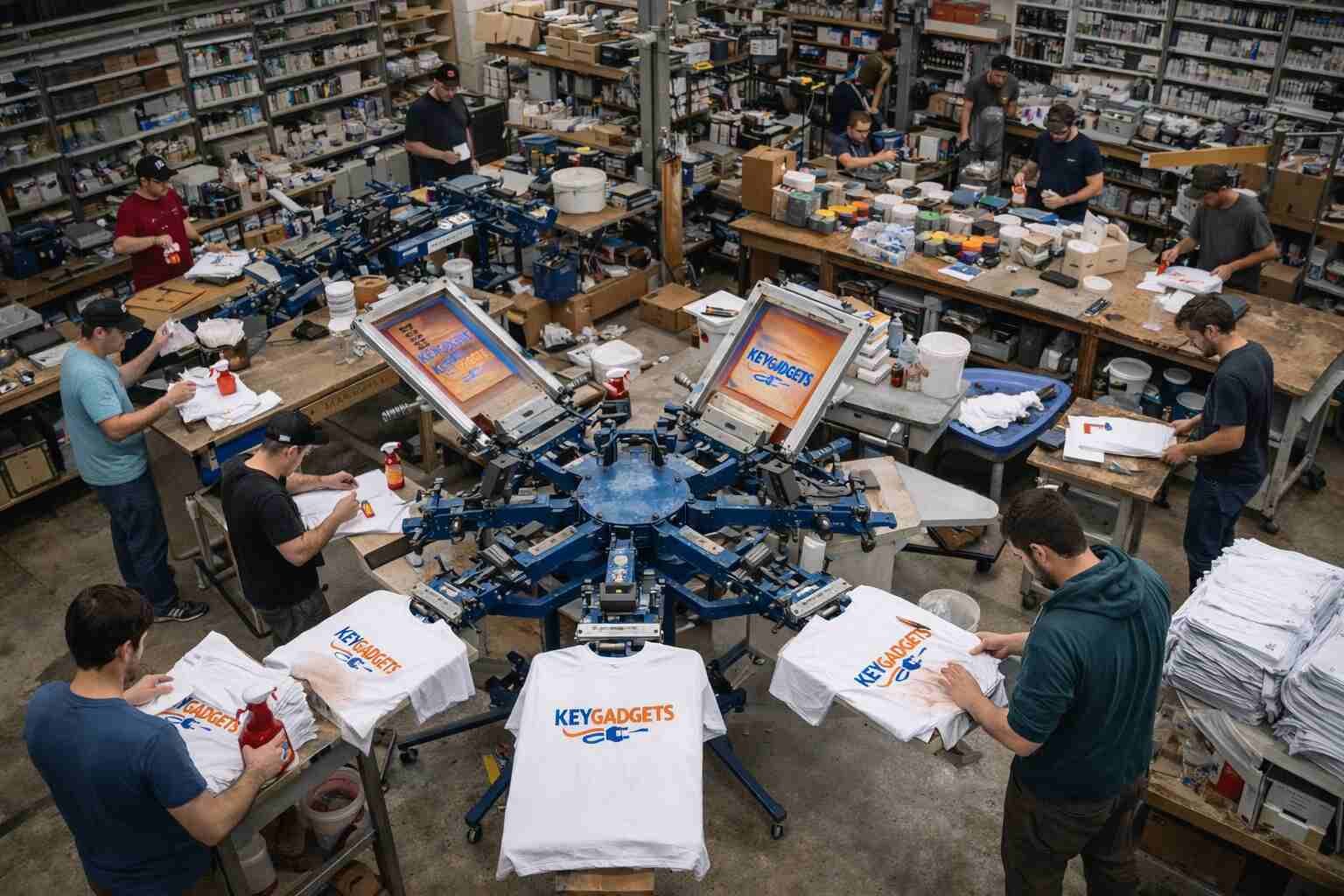
In some situations, attempting to remove screen printing from a shirt is simply not the most practical solution. When ink has fully penetrated the fabric, or when aggressive methods would clearly damage the garment, reprinting can be a smarter and more predictable alternative. This is especially relevant in professional or semi-professional printing environments where consistency and appearance matter.
Reprinting may be the better option in several common scenarios, including:
- prints that were fully cured and deeply bonded to the fabric
- designs with major placement or spelling errors
- garments affected by uneven ink thickness or overprinting
- shirts intended for internal use, samples, or test runs
- cases where removal leaves visible shadows or fabric distortion
Instead of risking fiber damage through repeated chemical or heat-based removal attempts, printers often choose to cover the existing design, adjust positioning, or repurpose the garment. This approach allows for controlled results and avoids unpredictable side effects that can occur during ink removal.
There are also situations where removal creates texture changes or discoloration that make the shirt unsuitable for resale or presentation. In such cases, reprinting offers a cleaner and more efficient solution. Knowing when to stop removal attempts and choose an alternative method is an important part of working safely and effectively with screen-printed garments.
Final Thoughts on Removing Screen Print from a Shirt
Removing screen print from a shirt is a challenging process that depends on many variables, including ink type, fabric composition, print quality, and age. While some prints can be softened or reduced with careful techniques, others are designed to remain permanently bonded to the fabric. Understanding how screen printing works makes it easier to set realistic expectations and choose appropriate methods.
Rather than viewing print removal as a simple fix, it is best seen as a learning process that reveals how inks interact with textiles and why professional printing is built for durability. In some cases, partial fading may be the best achievable outcome, and in others, leaving the print untouched may preserve the garment better than aggressive removal attempts.
By approaching screen print removal thoughtfully and with proper knowledge, it becomes possible to make informed decisions that balance effort, risk, and results. This understanding not only helps with correcting mistakes, but also encourages better choices in future printing projects.
Leave a Comment