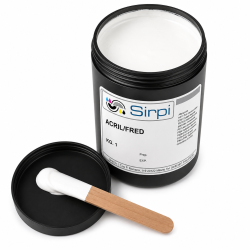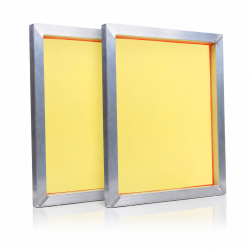
Solvent inks are printing inks that use solvent-based chemicals as the primary carrier for pigments. Instead of drying by water evaporation, solvent inks dry as the solvent evaporates, allowing the pigment to bond strongly to the surface of the material.
Solvent inks are commonly used in screen printing, pad printing, and industrial printing applications where strong adhesion, durability, and resistance to environmental conditions are required.
Key features of solvent inks
Solvent inks are known for their strength, durability, and ability to adhere to non-porous surfaces. Key features include:
● Solvent-based carrier system
● Strong adhesion to difficult surfaces
● Fast drying through solvent evaporation
● High resistance to moisture, chemicals, and abrasion
● Durable and long-lasting print results
These features make solvent inks suitable for demanding printing environments.
How solvent inks work in printing
Solvent inks function by softening or slightly dissolving the surface of the substrate, allowing pigment to bond firmly as the solvent evaporates. The printing process typically includes:
● Applying solvent inks through the screen or printing plate
● Ink contacting the surface of the material
● Evaporation of the solvent carrier
● Pigment bonding directly to the substrate
● Full drying or curing for maximum durability
This process creates strong and permanent prints.
Types of solvent inks
Solvent inks are available in different formulations depending on application and performance requirements. The most common types include:
● Standard solvent inks for general printing
● Mild solvent inks with reduced odor
● Aggressive solvent inks for industrial use
● Fast-drying solvent inks for high-speed production
● Specialty solvent inks for plastics and metals
Each type is selected based on substrate and durability needs.
Materials compatible with solvent inks
Solvent inks are especially effective on non-porous and hard-to-print materials. Common compatible materials include:
● Plastics and synthetic sheets
● Vinyl and PVC materials
● Metal and coated metal surfaces
● Glass and ceramics
● Industrial components and housings
They are not typically used for soft textile printing.
Where solvent inks are commonly used
Solvent inks are widely used in applications that require strong adhesion and weather resistance. Typical applications include:
● Industrial and technical printing
● Pad printing on plastic parts
● Signage and outdoor graphics
● Control panels and labels
● Promotional and branded products
Their durability makes them suitable for harsh environments.
Advantages of using solvent inks
Solvent inks offer several advantages over water-based ink systems. Main advantages include:
● Excellent adhesion to non-porous materials
● High durability and abrasion resistance
● Fast drying and curing times
● Resistance to moisture and chemicals
● Reliable performance in industrial applications
These advantages make solvent inks a preferred choice for technical printing.
Solvent inks are printing inks that use solvent-based carriers to bond pigment strongly to a surface. Their durability, adhesion strength, and resistance to environmental factors make them essential for industrial, pad printing, and non-porous material applications.