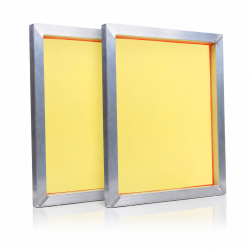
Silk screen printing is a printing technique in which ink is transferred onto a surface through a fine mesh screen using a squeegee. A stencil is created on the screen by blocking selected areas with light-sensitive photo emulsion, allowing ink to pass only through the open parts of the design.
Originally, natural silk fabric was used for the screen mesh, which is why the method is still commonly referred to as “silk screen printing.” Modern systems now use high-quality polyester mesh for improved durability, consistency, and precision. Silk screen printing is widely used for textiles, promotional items, industrial marking, and graphic printing due to its ability to produce strong, long-lasting colors.
Main characteristics of silk screen printing
Silk screen printing is recognized for its reliability, adaptability, and professional output. Its core characteristics distinguish it from digital and other printing methods.
Key characteristics include:
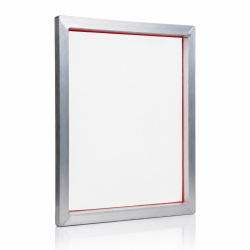
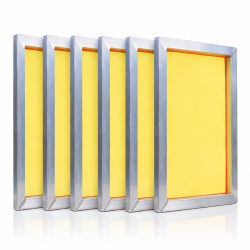
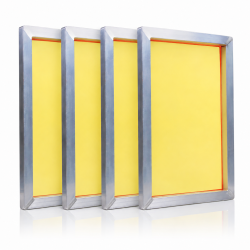
A mesh screen stretched tightly over a rigid aluminum or wooden frame
Stencil-based printing created with photo emulsion and light exposure
Manual or machine-assisted ink application using a squeegee
Thick ink deposits that provide excellent opacity and color saturation
Compatibility with a wide range of flat and semi-flat substrates
These characteristics make silk screen printing especially effective for bold designs, solid colors, and repeated production runs.
How does silk screen printing work?
The silk screen printing process follows a well-defined sequence of steps designed to ensure precision and consistency from print to print.
The process typically includes:
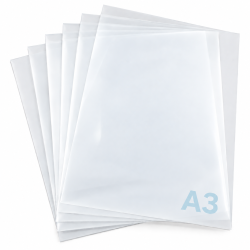
Creating the artwork and printing it onto a transparent film
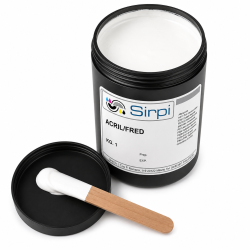
Coating the screen evenly with light-sensitive photo emulsion
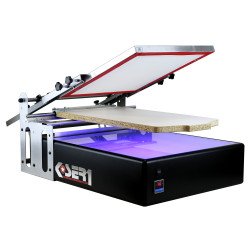
Exposing the coated screen to UV light using an exposure unit
Washing out the unexposed emulsion to reveal the stencil
Positioning the substrate under the prepared screen
Pulling or pushing ink through the open mesh using a squeegee
Drying or curing the printed ink to achieve durability and wash resistance
Each stage of the process directly affects print quality, edge sharpness, and ink adhesion.
Equipment and materials used in silk screen printing
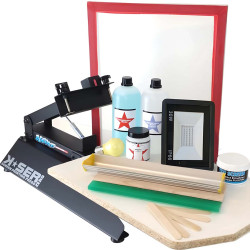
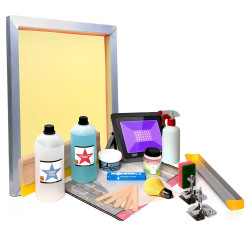
Silk screen printing requires a combination of equipment and consumables that work together as a complete system. The complexity of the setup depends on production volume and application.
Common equipment and materials include:
Screen printing frames with polyester mesh of different mesh counts
Photo emulsions and emulsion removers for stencil creation and cleanup
Screen printing inks such as plastisol, water-based, and solvent-based inks
Squeegees with various blade hardness levels for ink control
Manual or automatic screen printing machines for accurate registration
Exposure units, flash dryers, and curing systems for ink setting
Using compatible materials is essential for achieving consistent and professional results.
Types of silk screen printing
Silk screen printing can be adapted to many applications by changing inks, screens, and machinery.
The most common types include:
Textile silk screen printing for garments such as t-shirts, hoodies, and bags
Graphic silk screen printing for posters, decals, and signage
Industrial silk screen printing for control panels, labels, and electronic components
Manual silk screen printing for small runs, workshops, and DIY projects
Automatic silk screen printing for high-volume and commercial production
Each type uses the same core printing principle but differs in scale, speed, and equipment.
Where is silk screen printing commonly used?
Silk screen printing is used across a wide range of industries thanks to its durability and versatility.
Typical applications include:
Apparel printing and fashion production
Promotional products and branded merchandise
Advertising displays and point-of-sale graphics
Industrial and technical printing applications
Custom and short-run printing projects
Its ability to print on different materials makes it suitable for both creative and industrial use.
Advantages of silk screen printing
Silk screen printing remains one of the most trusted printing methods due to its performance and cost efficiency.
Main advantages include:
High color opacity and vibrant, saturated prints
Excellent durability and resistance to washing and wear
Ability to print on textiles, plastics, metal, glass, and paper
Cost-effective production for medium and large print runs
Professional results using both manual and automated equipment
These advantages explain why silk screen printing is still widely used despite the growth of digital printing technologies.
Silk screen printing is a proven and versatile printing method that uses a mesh screen and stencil system to transfer ink onto a variety of surfaces. Its strength lies in producing durable, high-quality prints with bold colors and excellent coverage.