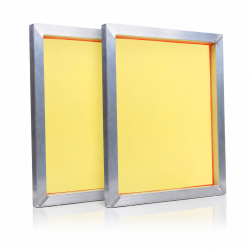
Screen wash is a cleaning chemical used in screen printing to remove ink residue from a screen after printing is finished. It dissolves and lifts ink from the mesh without damaging the screen, allowing the stencil to remain intact if the screen is being reused for the same design.
Screen wash is an essential part of screen maintenance and cleanup. It is commonly used between print runs, during color changes, or before the screen reclaiming process.
Key properties of screen wash
Screen wash is formulated to clean ink efficiently while protecting the screen mesh and stencil. Key properties include:
● Ability to dissolve fresh and partially cured inks
● Safe use on polyester mesh
● Compatibility with common screen printing inks
● Controlled evaporation rate
● Effective ink removal without stencil damage
These properties make screen wash suitable for daily screen cleaning.
How screen wash works in screen printing
Screen wash works by breaking down ink binders and pigments so they can be rinsed away from the mesh. The cleaning process typically includes:
● Applying screen wash to both sides of the screen
● Allowing the chemical to dissolve ink residue
● Scrubbing the mesh with a brush or pad
● Rinsing the screen thoroughly with water
● Inspecting the mesh for remaining ink
● Repeating the process if necessary
Proper use ensures clean mesh openings and consistent ink flow.
Types of screen wash
Screen wash products are available in different formulations depending on ink type and working conditions. The most common types include:
● Solvent-based screen wash for plastisol inks
● Low-odor screen wash for indoor use
● Water-rinseable screen wash
● Environmentally friendly screen wash options
● Heavy-duty screen wash for stubborn ink buildup
Choosing the correct type depends on ink system and shop requirements.
Materials compatible with screen wash
Screen wash is designed specifically for screen printing equipment and materials. Common compatible materials include:
● Polyester screen printing mesh
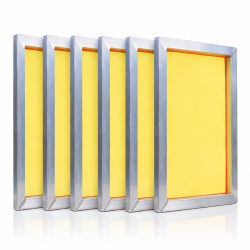
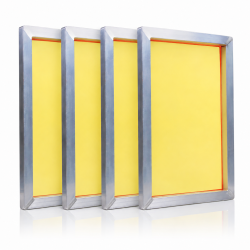
● Aluminum and wooden screen frames
● Plastisol, water based inks, and solvent inks
● Photo emulsion stencils
● Manual and automatic screen printing screens
It should not be used on non-printing surfaces.
Where screen wash is commonly used
Screen wash is used in all professional screen printing environments. Typical applications include:
● Textile screen printing shops
● Graphic and poster printing studios
● Industrial screen printing operations
● Screen cleanup between print runs
● Pre-reclaim screen preparation
It is a standard chemical in screen printing washout areas.
Advantages of using screen wash
Using screen wash provides several important benefits during screen printing operations. Main advantages include:
● Fast and effective ink removal
● Protection of screen mesh and stencil
● Improved print consistency
● Easier color changes and cleanup
● Extended screen lifespan
These advantages make screen wash an essential screen printing chemical.
Screen wash is a screen printing cleaning solution used to remove ink from mesh screens without damaging the stencil. By keeping screens clean and reusable, screen wash plays a critical role in efficient, professional screen printing workflows.