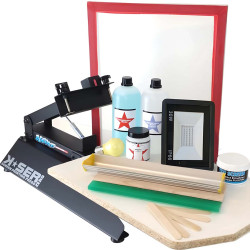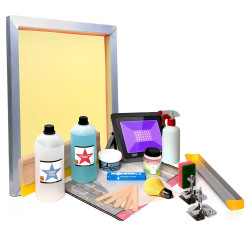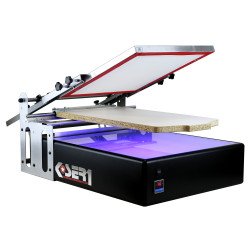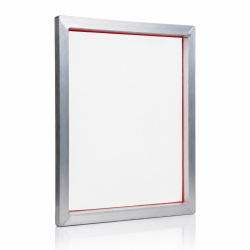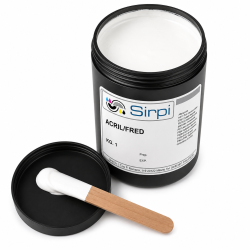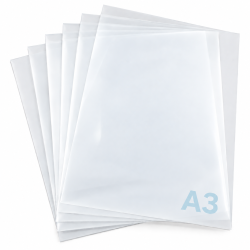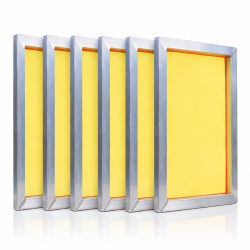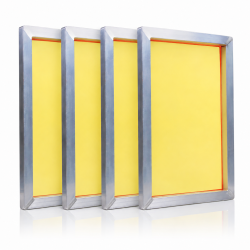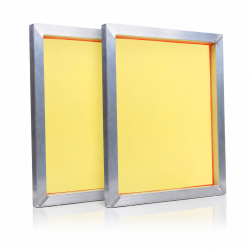
Screen printing on T-shirts is a garment printing process in which ink is applied directly onto fabric through a mesh screen using a squeegee. A stencil created with photo emulsion controls where the ink passes through the screen, forming the design on the shirt.
This method is one of the most established and widely used techniques in the apparel industry. It is favored for its ability to produce vibrant colors, sharp details, and prints that remain durable even after repeated washing and long-term wear.
Key features of T-shirt screen printing
Screen printing for T-shirts is specifically adapted to textile surfaces, requiring precise control of ink thickness, pressure, and curing temperature.
Key features include:
Direct ink application onto fabric fibers
Use of textile-specific screen printing inks
High ink opacity, even on dark-colored shirts
Strong adhesion to cotton, polyester, and blended fabrics
Consistent results across multiple garments
These features make screen printing ideal for both fashion brands and commercial apparel production.
How screen printing on T-shirts works?
The screen printing workflow for T-shirts is designed to ensure accurate placement, clean edges, and long-lasting prints.
The process typically involves:
Creating artwork and separating colors if needed
Transferring the design onto film positives
Coating screens with photo emulsion and exposing them to UV light
Washing out the stencil to reveal the printable areas
Loading the T-shirt onto a platen to keep it flat and stable
Aligning the screen precisely over the garment
Printing ink through the mesh using controlled squeegee pressure
Curing the printed ink with heat to lock it into the fabric
Each step plays a critical role in ensuring print durability and professional appearance.
Inks for screen printing on T-shirts
Ink selection is a crucial factor in T-shirt screen printing, as it affects texture, flexibility, and wash resistance.
Common ink types include:
Plastisol ink - the most widely used option, known for its durability and vibrant colors
Water-based ink - penetrates the fabric for a softer, breathable feel
Discharge ink - removes fabric dye and replaces it with ink for a vintage look
Specialty inks - such as puff, metallic, reflective, or glow-in-the-dark inks
Each ink type is chosen based on the desired look, fabric type, and production method.
Materials and equipment for T-shirt screen printing
Successful T-shirt screen printing requires equipment designed specifically for garment handling and repeat accuracy.
Typical materials and equipment include:
Screen printing frames with textile-appropriate mesh counts
Manual or automatic T-shirt printing presses
Squeegees matched to ink type and fabric
Exposure units for stencil preparation
Flash dryers or conveyor dryers for ink curing
Platens and pallet adhesives to hold garments in place
Proper equipment setup ensures efficiency and consistent print quality.
Types of T-shirt screen printing setups
Screen printing on T-shirts can be scaled to match different production needs.
The most common setups include:
Manual screen printing for small batches and custom orders
Semi-automatic presses for growing businesses
Automatic screen printing machines for high-volume production
Single-color setups for simple designs
Multi-color setups requiring precise registration
Choosing the right setup depends on order volume, design complexity, and budget.
Where screen printing on T-shirts is most commonly used
Screen printing is a dominant printing method in the custom apparel market.
Common uses include:
Fashion and streetwear brands
Promotional and corporate apparel
Event and merchandise printing
Sports teams and uniforms
Small business and DIY clothing projects
Its versatility allows it to serve both creative and commercial applications.
Advantages of screen printing on T-shirts
Screen printing continues to be a preferred method for garment decoration due to its proven reliability.
Key advantages include:
Exceptional durability and wash resistance
Bright, vibrant colors with strong coverage
Cost efficiency for medium and large orders
Compatibility with many fabric types
Professional-quality results with long-term ear
These benefits make screen printing a standard technique in the T-shirt printing industry.
Screen printing on T-shirts is a professional garment printing method that combines mesh screens, specialized inks, and heat curing to create durable and visually striking designs. Its reliability, scalability, and print quality make it one of the most trusted techniques for custom apparel production.