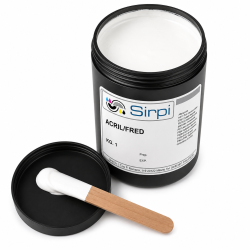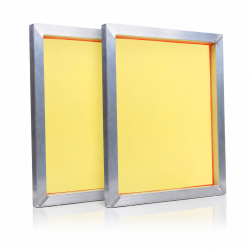
Emulsion remover is a chemical solution used in screen printing to dissolve and remove hardened photo emulsion from a screen after printing is complete. It allows printers to reclaim screens by breaking down the emulsion stencil so the mesh can be cleaned and reused for a new design.
Emulsion remover is an essential part of the screen reclaiming process. Without it, screens would remain blocked by old stencils, making efficient and repeatable screen printing impossible.
Key components found in emulsion remover
Emulsion remover is formulated to break down light-cured emulsion without damaging the screen mesh. Common components include:
● Emulsion-degrading chemicals that soften hardened stencil material
● Water-soluble agents for easy rinse-out
● Surfactants to help lift emulsion from the mesh
● Mild alkaline compounds to accelerate breakdown
● Low-foaming ingredients for controlled application
These components work together to dissolve emulsion effectively and safely.
How emulsion remover works in screen printing
Emulsion remover works by chemically breaking the bond between the emulsion and the screen mesh. The removal process typically includes:
● Wetting the screen with water
● Applying emulsion remover to both sides of the screen
● Allowing the solution to dwell briefly
● Scrubbing the mesh to loosen the emulsion
● Rinsing thoroughly with water
● Inspecting the screen for remaining residue
Proper use ensures complete stencil removal without mesh damage.
Types of emulsion remover
Emulsion remover products are available in different formulations depending on workflow and environmental requirements. The most common types include:
● Liquid emulsion remover concentrates
● Ready-to-use spray emulsion removers
● Environmentally friendly or low-odor removers
● Heavy-duty removers for water-resistant emulsions
● Emulsion remover systems combined with degreasers
Each type is selected based on emulsion type and production volume.
Materials compatible with emulsion remover
Emulsion remover is designed specifically for use on screen printing materials. Common compatible materials include:
● Polyester screen printing mesh
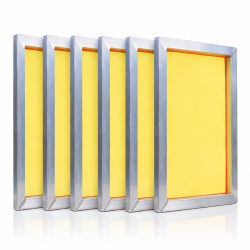
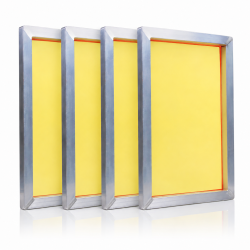
● Aluminum and wooden screen frames
● Standard photo emulsions
● Dual-cure and photopolymer emulsions
● Screens used for textile and graphic printing
It should not be used on non-screen printing surfaces.
Where emulsion remover is commonly used
Emulsion remover is used anywhere screens are reused and reclaimed. Typical applications include:
● Textile screen printing shops
● Graphic and poster printing studios
● Industrial screen printing operations
● Manual and automatic screen printing setups
● Screen reclaim and washout areas
It is a standard chemical in professional screen printing environments.
Advantages of using emulsion remover
Using emulsion remover provides several important benefits during screen reclaiming. Main advantages include:
● Complete removal of hardened emulsion
● Extended screen mesh lifespan
● Faster screen reclaiming process
● Preparation of screens for new designs
● Consistent and clean mesh openings
These advantages make emulsion remover essential for efficient screen reuse.
Emulsion remover is a screen printing chemical used to dissolve and remove hardened photo emulsion from mesh screens. By allowing screens to be fully reclaimed and reused, it plays a critical role in maintaining efficiency, cleanliness, and consistency in screen printing workflows.