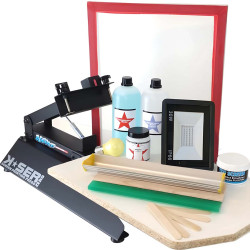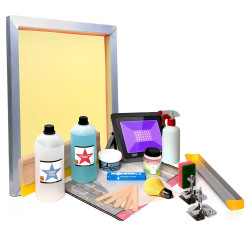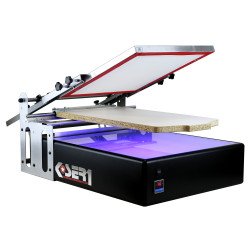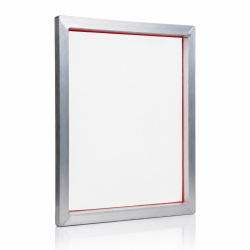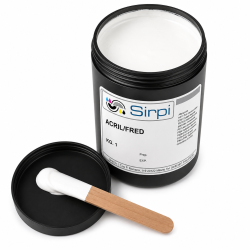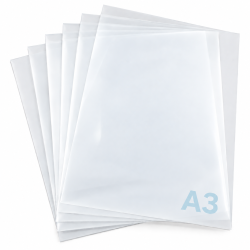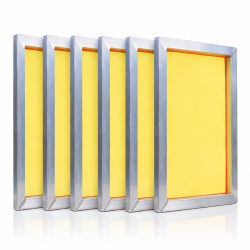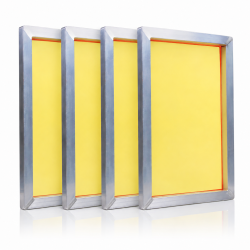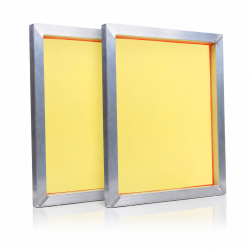
Discharge screen printing is a screen printing technique in which a special discharge ink removes the original dye from the fabric instead of laying ink on top of it. The print becomes part of the textile fibers, resulting in an extremely soft finish with no raised ink layer on the surface.
This method is primarily used on dark, dyed cotton fabrics, where the discharge ink chemically deactivates the dye during the curing process. Depending on the formulation, the print may appear in the natural fabric color or be re-colored using discharge pigments. Discharge screen printing is valued for its premium appearance, softness, and durability.
The principle of discharge screen printing
Discharge screen printing works through a chemical reaction between the ink and the fabric dye.
The process is based on:
● Removing existing dye from the fabric
● Activating the discharge agent with heat
● Allowing the design to form where the dye has been neutralized
Unlike traditional ink systems, this method does not create a visible ink layer, making the print feel almost indistinguishable from the fabric itself.
How discharge screen printing works
The discharge screen printing workflow follows a controlled sequence to ensure consistent results.
The process typically includes:
1. Preparing the artwork and screen stencil
2. Mixing discharge ink with an activating agent
3. Printing the design through the screen onto the garment
4. Applying heat during curing to activate the discharge reaction
5. Removing the original dye in printed areas
6. Fixing the final design permanently into the fabric
Proper curing is essential, as the discharge reaction only occurs when sufficient heat is applied.
Discharge inks and fabric requirements
Discharge screen printing depends heavily on ink formulation and fabric composition.
Key requirements include:
● 100% cotton or high-cotton-content fabrics
● Reactive dyes that can be chemically discharged
● Specialized discharge inks and activators
● Controlled curing temperature and ventilation
Not all fabrics are suitable for discharge printing. Synthetic materials and pre-treated textiles often do not react correctly, which can affect color consistency.
Where discharge screen printing is commonly used
Discharge screen printing is mainly used in applications where comfort and premium appearance are essential.
Common use cases include:
● Fashion and streetwear garments
● High-quality T-shirts and apparel
● Large solid designs without heavy ink buildu
● Vintage-style or soft-touch prints
● Eco-conscious clothing lines
This method is especially popular for designs that require large print areas without stiffness.
Advantages of discharge screen printing
Discharge screen printing offers several unique benefits compared to traditional ink systems.
Main advantages include:
● Extremely soft hand feel
● No visible or tactile ink layer
● High durability and wash resistance
● Clean, matte appearance
● Excellent integration with fabric texture
These qualities make discharge printing a preferred choice for premium garment production.
Discharge screen printing vs traditional screen printing
While both methods use mesh screens and stencils, their results differ significantly.
Key differences include:
● Traditional printing adds ink on top of fabric
● Discharge printing removes dye from fabric
● Discharge prints feel softer and lighter
● Traditional inks offer broader color consistency
● Discharge results depend on fabric dye chemistry
Each method serves different design and production goals.
Limitations of discharge screen printing
Despite its advantages, discharge screen printing has some limitations.
Important considerations include:
● Limited compatibility with synthetic fabrics
● Color variation depending on fabric dye
● Strong odor during curing process
● Need for proper ventilation
● Higher process control requirements
These factors must be evaluated before choosing this technique.
Discharge screen printing is chosen for its ability to deliver premium-quality prints that feel natural and lightweight. It allows designers and manufacturers to create garments that maintain comfort while offering long-lasting visual impact.