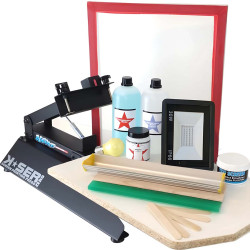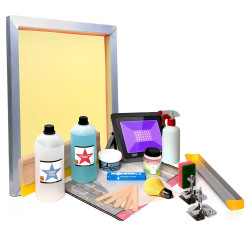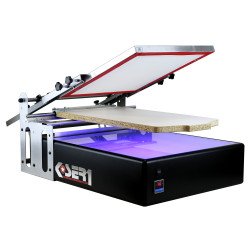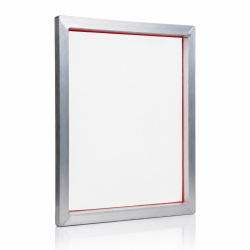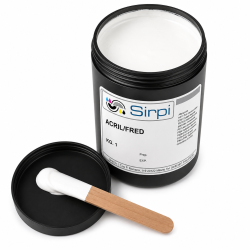
Water based inks are printing inks that use water as the main carrier instead of solvent or oil-based chemicals. In this ink system, pigments are suspended in a water-based solution, allowing the ink to absorb into the material rather than forming a thick layer on the surface.
Water based inks are commonly used in screen printing, especially for textiles and paper products. They are valued for their soft print feel, breathable finish, and lower environmental impact compared to traditional ink systems.
Key features of water based inks
Water based inks are known for their natural appearance and eco-friendly composition. Key features include:
● Water used as the primary solvent
● Low levels of volatile organic compounds (VOCs)
● Soft and breathable print finish
● Ink penetration into fibers rather than surface coating
● Matte and natural visual appearance
These features make water based inks popular in modern printing applications.
How water based inks work in printing
Water based inks behave differently from plastisol and solvent-based inks during the printing and curing process. The printing process typically includes:
● Forcing the ink through the screen onto the substrate
● Allowing the ink to absorb into the material
● Evaporation of water content from the ink
● Heat curing to fully dry and fix the ink
● Permanent bonding of pigment to the surface
Proper drying and curing are essential for durability and wash resistance.
Types of water based inks
Water based inks are available in different formulations depending on printing requirements. The most common types include:
● Standard water based inks for light-colored fabrics
● High-opacity water based inks for darker materials
● Discharge water based inks for dye removal effects
● Additive-modified water based inks for softness or stretch
● Hybrid water based inks for improved durability
Each type is selected based on fabric type and desired print result.
Materials compatible with water based inks
Water based inks work best on absorbent and porous materials. Common compatible materials include:
● Cotton and natural textiles
● Cotton-polyester blends
● Paper and cardboard
● Fabric-based promotional products
● Untreated or lightly coated surfaces
Non-porous materials usually require alternative ink systems.
Where water based inks are commonly used
Water based inks are widely used where comfort and sustainability are important. Typical applications include:
● T-shirt and garment screen printing
● Fashion and retail apparel production
● Eco-friendly promotional items
● Graphic and poster printing
● Artistic and specialty print projects
They are especially popular in premium apparel branding.
Advantages of using water based inks
Water based inks offer several benefits compared to traditional printing inks. Main advantages include:
● Soft and natural print feel
● Breathable finish on fabrics
● Environmentally friendly formulation
● No thick ink layer on garments
● Comfortable wear for clothing
Water based inks are printing inks that use water as the primary solvent to create soft, breathable, and environmentally friendly prints. Their ability to absorb into materials makes them an important ink type in modern screen printing and textile production.