
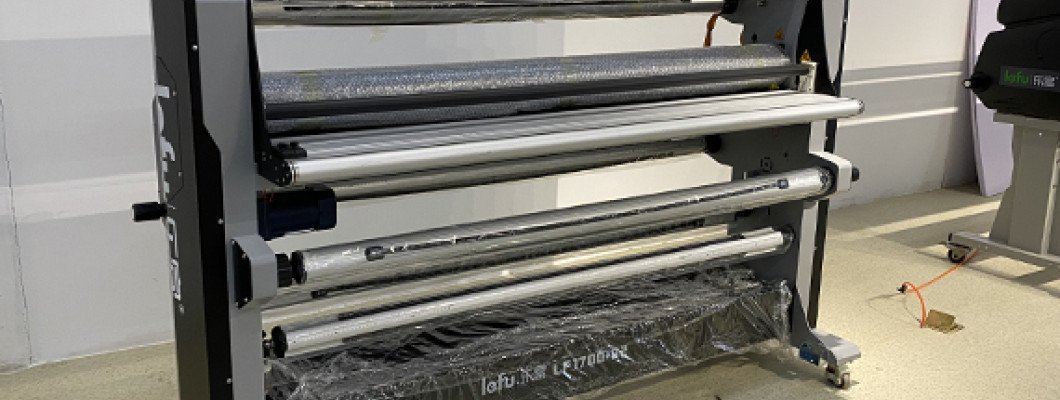
As production demands continue to grow, more businesses are moving toward automatic laminators to increase efficiency and maintain consistent output. Unlike manual systems, automatic laminator machines are designed to handle higher workloads with greater precision, reducing the need for constant operator involvement. This allows businesses to streamline workflows, minimize human error, and maintain stable quality across large production runs. At the same time, the variety of available machines has expanded, making it more difficult to identify which solution truly matches your needs. Differences in speed, working width, lamination type, and automation level can significantly impact performance and long-term productivity.
Another important factor is that not all print businesses operate in the same way. Some focus on short runs and customized orders, while others rely on continuous high-volume production. There are also businesses working with wide-format materials where accuracy, pressure control, and material handling become even more critical. Because of this, choosing an automatic laminator requires a clear understanding of your workflow, production scale, and future growth plans. In this guide, we will break down how to choose the right automatic laminator in a practical and structured way, helping you make a confident and informed decision.
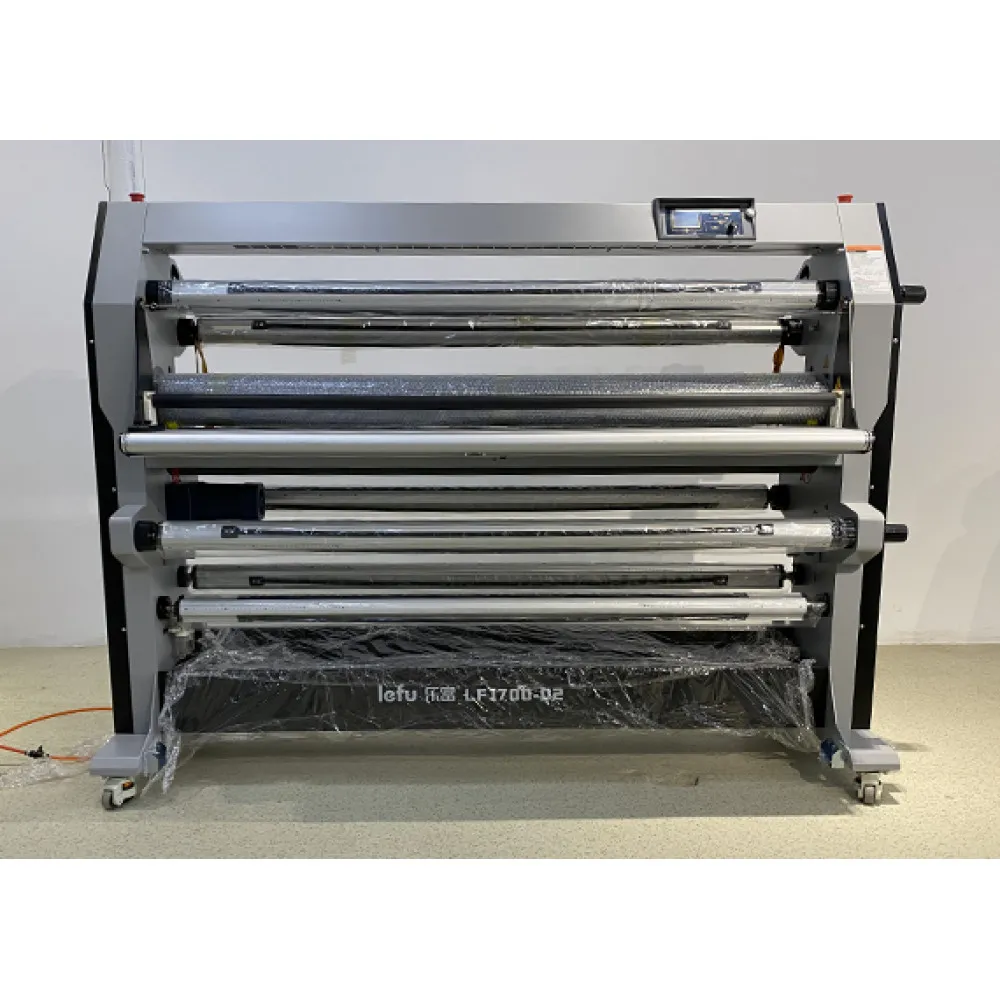
Types of automatic laminators
There are several types of automatic laminator machines available, and understanding the differences between them is essential before making a decision. Each type is designed for specific applications, materials, and production requirements. Choosing the wrong type can lead to inefficiencies, limitations in workflow, or unnecessary costs.
The most common types of automatic laminators include:
Hot laminators - use heat to activate adhesive and provide strong bonding, ideal for durable and long-lasting results
Cold laminators - apply pressure without heat, suitable for heat-sensitive materials like vinyl and certain films
Hot and cold laminators - комбіновані рішення, що дають максимальну гнучкість для різних задач
Single-sided laminators - process one side at a time, typically used in standard production workflows
Double-sided laminators - allow lamination on both sides in one pass, increasing efficiency and reducing processing time
TIP: If your business works with a wide range of materials and different project types, a hot and cold automatic laminator is usually the most flexible and future-proof solution.
Understanding these types will help you better match a laminator machine to your production needs and avoid limitations as your business grows.
How to choose the right automatic laminator
Choosing the right automatic laminator is not about selecting the most expensive or the most advanced machine. It is about finding equipment that matches your production workflow, material types, and daily workload. A well-chosen laminator will improve efficiency and reduce errors, while the wrong one can slow down operations and increase costs over time.
Below is a simple comparison of key factors to consider when selecting an automatic laminator:
TIP: Always choose a laminator based on your average workload, not occasional peak demand. This helps avoid overpaying for features you may not use daily.
By focusing on these core parameters, you can select a laminator machine that fits your current needs while still supporting future business growth.
Key features that affect laminating quality
The performance of an automatic laminator is defined not only by its specifications but also by specific features that directly influence the final result. Even small differences in machine design can significantly impact lamination quality, consistency, and ease of operation.
Important features to consider include:
Roller quality and diameter, which affect pressure distribution and smooth application
Stable pressure control system for consistent results across different materials
Anti-static system to prevent dust and imperfections during lamination
Precise alignment system to reduce misalignment and material waste
Integrated trimming system for clean and accurate finishing
Control panel with real-time adjustments for better process control
These features play a crucial role in ensuring that laminated products meet professional standards. High-quality lamination not only improves visual appearance but also increases durability and resistance to external factors.
Investing in a machine with the right combination of features will help you maintain consistent product quality and avoid common production issues.
Best automatic laminator machines to consider
When choosing an automatic laminator, real performance matters more than theory. The right machine should not only meet technical requirements but also improve workflow, reduce manual effort, and deliver stable results across every production cycle. Below are two professional automatic laminator machines designed for different levels of production, both offering strong performance and reliability in real working conditions.
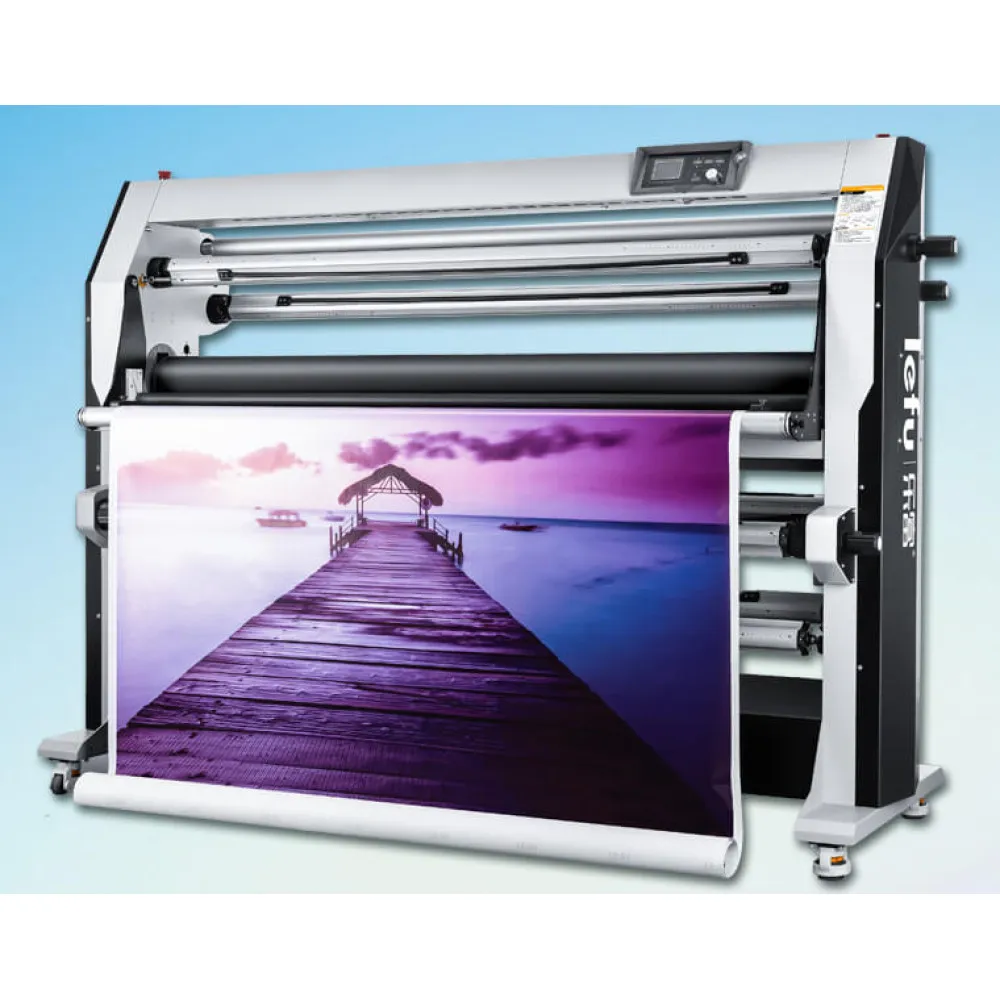
LF1700-D2 automatic laminator
The LF1700-D2 is an advanced automatic laminator built for high-speed, large-scale production where efficiency and automation are critical. Its main advantage is true double-sided lamination in a single pass, allowing businesses to significantly reduce processing time and eliminate unnecessary handling.
Key advantages of the LF1700-D2 include:
Double-sided lamination in one pass for maximum efficiency
High-speed performance up to 28 m/min for increased output
Wide format support up to 1630 mm for banners, vinyl, and large prints
Pneumatic pressure system for precise and stable material handling
Anti-static system to prevent dust and defects during lamination
Integrated trimming system with tungsten steel blades for clean finishing
Intelligent LCD control panel for real-time adjustments and monitoring
From a technical perspective, this laminator is built for continuous operation. It supports both hot and cold lamination, has fast preheating (10–15 minutes), and maintains consistent pressure across materials up to 28 mm thick. The infrared heating system ensures stable temperature control, while built-in safety features such as laser sensors provide additional protection during operation.
This machine is especially suitable for businesses that work with large volumes and need to optimize production speed without compromising quality. It helps reduce labor costs, minimize errors, and maintain a smooth, automated workflow.
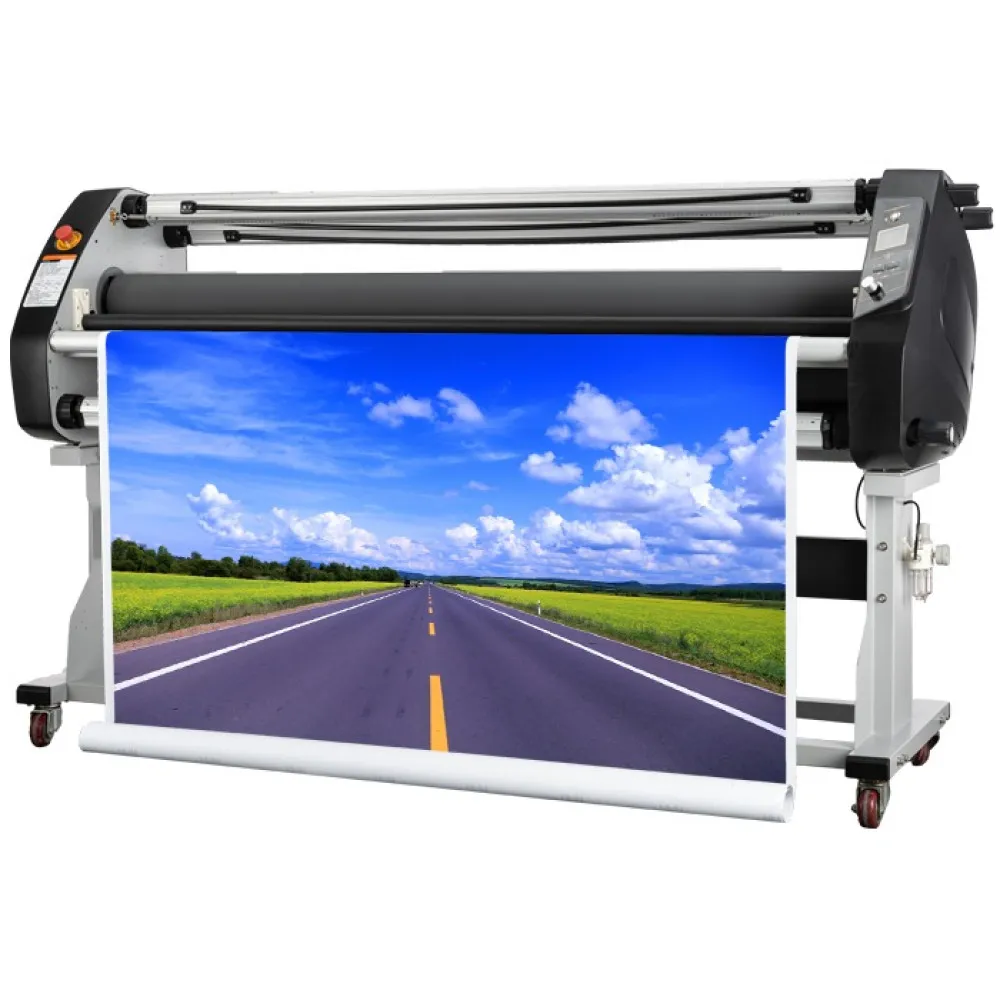
LF1700-D1 automatic laminator
The LF1700-D1 is a reliable automatic laminator designed for consistent, high-quality production in everyday workflows. It focuses on stability, precision, and ease of use, making it an excellent choice for businesses that require dependable performance across a wide range of applications.
Key advantages of the LF1700-D1 include:
Stable and smooth lamination with bubble-free results
Wide format capability up to 1630 mm for versatile applications
Automatic pneumatic pressure system for accurate material control
Efficient processing of vinyl, PVC, PET, and digital prints
Reduced material waste thanks to precise alignment
Durable construction for long-term, intensive use
Silent air compressor included for stable operation
In terms of performance, the LF1700-D1 delivers speeds up to 18 m/min, which is ideal for controlled, high-quality production. It supports both hot and cold lamination, allowing flexibility for different materials and project requirements. The infrared heating system ensures even temperature distribution, while safety sensors help maintain secure operation.
This laminator is a strong solution for businesses that prioritize consistency, reliability, and quality in daily production. It allows operators to maintain stable output while reducing manual adjustments and production errors.
Both machines represent high-level solutions in the automatic laminator category. The LF1700-D2 is the right choice for businesses focused on speed and automation, while the LF1700-D1 is ideal for stable, precise, and consistent production. Choosing between them depends on how your workflow is structured and how far you want to scale your production capacity.
Common mistakes when choosing a laminator
Even with a clear understanding of features and specifications, many businesses still make mistakes when selecting an automatic laminator. These mistakes often lead to reduced efficiency, higher costs, and limitations in production as the business grows.
The most common mistakes include:
Choosing a laminator based only on price rather than performance and long-term value
Ignoring working width, which later limits the ability to handle large-format materials
Underestimating production volume and selecting a machine that cannot handle daily workload
Not considering automation level, leading to unnecessary manual work and slower processes
Choosing the wrong lamination type (hot or cold) for the materials used
Overlooking build quality and stability, which affects long-term reliability
Not planning for future growth and scalability
These mistakes can slow down production and create additional costs over time. A laminator should not only meet your current needs but also support your business as it expands.
Making an informed decision helps avoid these issues and ensures that your investment delivers consistent value in the long run.
Final thoughts on choosing an automatic laminator
Choosing an automatic laminator is not just about selecting a machine - it is about understanding how your production works and what your business truly needs to grow. The right equipment should support your workflow, improve consistency, and help you maintain high-quality results across every project. When the laminator fits your production processes, it becomes a tool that simplifies operations rather than complicates them.
Throughout this guide, we have looked at the key factors that influence the decision, from types of laminators to essential features and common mistakes. Each of these aspects plays a role in how efficiently your business operates and how reliable your final output is. Taking the time to evaluate these elements carefully allows you to avoid limitations and build a more stable production process.
As print technologies and customer expectations continue to evolve, the demand for precision, speed, and consistency will only increase. Businesses that invest in the right equipment and make informed decisions are better positioned to adapt, scale, and maintain a competitive edge. In the end, choosing the right automatic laminator is about creating a foundation for long-term performance, efficiency, and quality in your daily work.
Leave a Comment