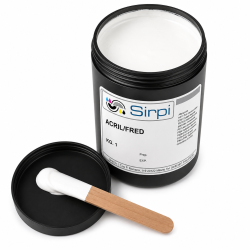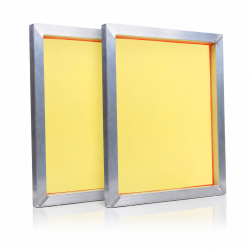
Screen printing ink is a specially formulated ink designed to be pushed through a mesh screen and deposited onto a surface during the screen printing process. Unlike standard printing inks, screen printing inks are thicker and engineered to sit on or bond with the substrate, creating durable, vibrant, and long-lasting prints.
Screen printing ink is a core material in screen printing and directly affects print appearance, texture, opacity, flexibility, and durability. Different ink types are used depending on the substrate, printing method, and desired final result.
The role of ink in screen printing
In screen printing, ink is responsible for transferring the visual design from the screen onto the final product.
The main role of screen printing ink includes:
Carrying color and visual detail onto the substrate
Bonding with the surface material for durability
Providing opacity and coverage, especially on dark materials
Creating the desired texture and finish of the print
The quality and type of ink used play a major role in how professional the final print looks and performs.
How screen printing ink works?
Screen printing ink works by being physically pushed through open areas of a stencil on a mesh screen.
The basic process includes:
Ink is placed on top of the screen
A squeegee moves across the screen surface
Pressure forces ink through the open mesh areas
Ink transfers onto the substrate below
The ink is then dried or cured to set permanently
Once properly cured, the ink becomes resistant to washing, abrasion, and everyday wear.
Types of screen printing inks
There are several types of screen printing ink, each designed for specific applications and materials.
The most common types include:
Plastisol ink - thick, highly durable, and widely used for T-shirt printing
Water-based ink - penetrates fabric fibers for a soft, breathable feel
Discharge ink - removes garment dye and replaces it with ink for a vintage look
Solvent-based ink - used for plastics, metals, and industrial applications
UV-curable ink - cured with ultraviolet light for fast production
Each ink type offers different performance characteristics and visual effects.
Screen printing ink compatibility with materials
Screen printing inks are formulated to work with specific substrates.
Common compatible materials include:
Cotton, polyester, and blended fabrics
Paper and cardboard
Plastics and synthetic sheets
Metal, wood, and glass (flat surfaces)
Promotional products and packaging materials
Using the correct ink for the material ensures proper adhesion and long-term durability.
How ink choice affects print quality?
The choice of screen printing ink directly impacts the final appearance and performance of the print.
Key factors include:
Ink opacity and color vibrancy
Flexibility and crack resistance on fabrics
Surface texture and hand feel
Resistance to washing, fading, and abrasion
Compatibility with mesh count and emulsion
Selecting the right ink helps achieve consistent and professional results.
Curing and drying screen printing ink
Most screen printing inks require curing or drying to become permanent.
Common curing methods include:
Heat curing with flash dryers or conveyor dryers
Air drying for certain water-based inks
UV curing for UV-sensitive inks
Proper curing is essential to prevent ink from cracking, peeling, or washing out.
Advantages of screen printing inks
Screen printing inks are specifically designed to deliver high-quality and durable prints.
Main advantages include:
Strong color opacity and brightness
Excellent durability and longevity
Wide compatibility with different materials
Availability of specialty effects and finishes
Reliable performance in both manual and automatic printing
These advantages make screen printing ink an essential component of the printing process.
Screen printing ink is a specialized ink used to create durable, vibrant, and professional prints through a mesh screen. Its formulation allows it to bond with a wide range of materials while maintaining color strength and long-term performance.