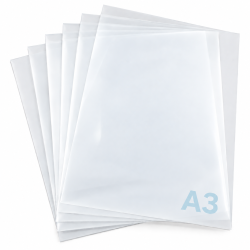
Laminating paper refers to paper-based materials that are designed to be laminated or used in combination with laminate film to protect printed content. It is commonly used for documents, graphics, labels, and printed sheets that require increased durability, rigidity, and resistance to moisture or wear.
Laminating paper itself is not a laminate film, but rather the printed paper or sheet that is enclosed or covered during the lamination process. It is widely used in offices, printing, education, packaging, and graphic production.
Key features of laminating paper
Laminating paper is selected based on how well it performs during and after the lamination process.
Key features include:
-
Smooth and even surface for clear lamination results
-
Compatibility with thermal and cold lamination
-
Ability to maintain print quality under pressure and heat
-
Increased rigidity after lamination
-
Clean edges when sealed inside laminate film
These features ensure that the laminated result looks professional and lasts longer.
How laminating paper is used in lamination
Laminating paper becomes part of a sealed structure once laminate film is applied.
The lamination process typically includes:
-
Printing the design or document onto paper
-
Allowing ink or toner to dry completely
-
Placing the paper inside a laminate pouch or under laminate film
-
Feeding the paper through a laminator machine
-
Bonding the laminate film to the paper surface
-
Cooling and trimming the laminated sheet if necessary
Proper paper selection helps prevent bubbles, wrinkles, or distortion.
Types of paper used for lamination
Different paper types can be used depending on the application and desired finish.
Common types include:
-
Standard copy paper for documents
-
Cardstock for ID cards and signage
-
Photo paper for images and displays
-
Coated paper for smooth, high-quality prints
-
Synthetic paper for added durability
Each type reacts differently to heat, pressure, and adhesive.
Laminating paper compatibility with laminators
Not all paper behaves the same during lamination, so compatibility is important.
Key compatibility factors include:
-
Paper thickness and weight
-
Ink or toner type used for printing
-
Heat tolerance of the paper
-
Laminate film type (thermal or cold)
-
Laminator temperature and speed settings
Using compatible paper reduces lamination defects and improves results.
Where laminating paper is commonly used
Laminating paper is used wherever printed materials need protection and extended lifespan.
Typical applications include:
-
Office documents and instructional sheets
-
Educational materials and classroom posters
-
Menus and informational displays
-
Labels and printed packaging inserts
-
Promotional and marketing materials
Its versatility makes it suitable for both everyday and professional use.
Advantages of using laminating paper
Using appropriate paper for lamination improves both durability and appearance.
Main advantages include:
-
Enhanced protection after lamination
-
Improved rigidity and handling strength
-
Better resistance to moisture and dirt
-
Cleaner and more professional finish
-
Longer lifespan of printed materials
These advantages make laminating paper an important part of the lamination process.
Laminating paper is the paper material used in the lamination process to create protected and durable printed products. When combined with laminate film, it helps produce long-lasting, professional-quality documents and graphics for a wide range of applications.