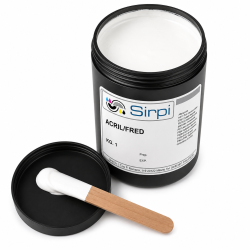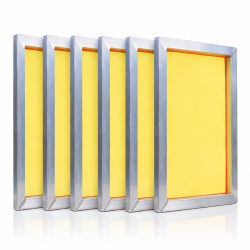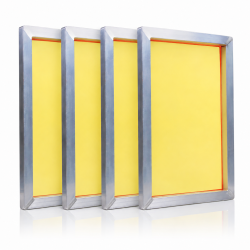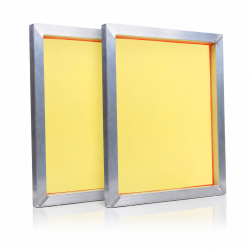
Emulsion in screen printing is a light-sensitive liquid coating used to create a stencil on a screen printing mesh. Once applied to the screen and exposed to light, the emulsion hardens in specific areas, blocking ink from passing through, while unexposed areas are washed out to form the printable design.
Emulsion is a critical component of the screen printing process, as it directly determines print accuracy, edge sharpness, and overall image quality. Without emulsion, controlled and repeatable screen printing would not be possible.
The role of emulsion in screen printing
Emulsion acts as the stencil material that defines where ink can and cannot pass through the screen.
Its main role includes:
Blocking ink in non-printing areas
Holding fine details and sharp edges in the design
Withstanding pressure from the squeegee during printing
Remaining stable throughout the entire print run
A properly applied and exposed emulsion ensures clean prints and consistent results.
How screen printing emulsion works?
Screen printing emulsion works through a chemical reaction with ultraviolet (UV) light.
The basic process includes:
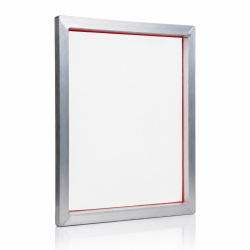
Applying a thin, even layer of emulsion to the mesh
Allowing the emulsion to dry in a dark environment
Placing a film positive with the design onto the screen
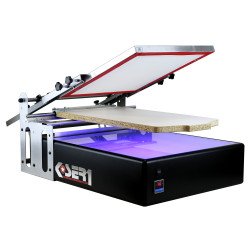
Exposing the screen to UV light using an exposure unit
Hardening the exposed emulsion areas
Washing out the unexposed emulsion to reveal the stencil
The hardened emulsion stays on the screen during printing, while ink passes through the open mesh areas.
Types of emulsion used in screen printing
Different printing needs require different types of emulsion, depending on ink type and exposure conditions.
The most common types include:
Diazo emulsion - durable and ideal for plastisol inks, but requires mixing
Photopolymer emulsion - pre-sensitized and faster to expose
Dual-cure emulsion - combines diazo and photopolymer properties for versatility
Choosing the correct emulsion helps prevent stencil breakdown and exposure issues.
Emulsion compatibility with screen printing inks
Not all emulsions work equally well with every type of ink. Compatibility is essential for stencil durability.
Common compatibility guidelines:
Plastisol inks require highly durable emulsions
Water-based inks need water-resistant emulsions
Discharge inks require strong chemical resistance
Solvent-based inks demand high stencil durability
Using the wrong emulsion can lead to stencil damage, image loss, or premature screen breakdown.
How emulsion affects print quality?
Emulsion quality and application technique directly impact the final print.
Key factors include:
Emulsion thickness, which affects ink deposit
Even coating for consistent print results
Proper exposure time to prevent under- or overexposure
Strong adhesion to the mesh for long print runs
High-quality emulsion results in sharper details, smoother edges, and better color control.
Where emulsion is used in screen printing?
Emulsion is used in virtually all screen printing applications where detailed and repeatable prints are required.
Common uses include:
T-shirt and garment screen printing
Graphic and poster printing
Industrial and technical printing
Promotional product printing
Manual and automatic screen printing setups
It is an essential material across both DIY and professional environments.
Advantages of using emulsion in screen printing
Screen printing emulsion provides precision and repeatability that other stencil methods cannot match.
Main advantages include:
Ability to hold fine details and complex designs
High durability during printing
Compatibility with various inks and meshes
Clean and repeatable stencil creation
Professional-grade printing results
These advantages make emulsion the industry standard for stencil creation.
Emulsion in screen printing is a light-sensitive coating used to create precise stencils on mesh screens. By controlling where ink passes through the screen, emulsion enables clean, detailed, and durable prints across a wide range of applications.