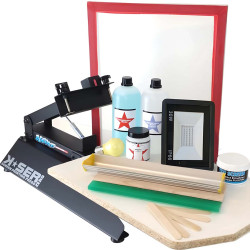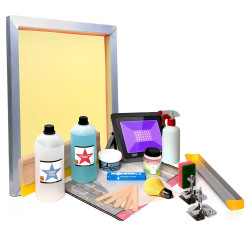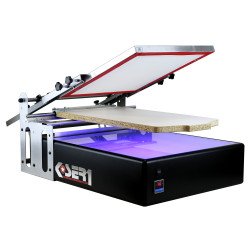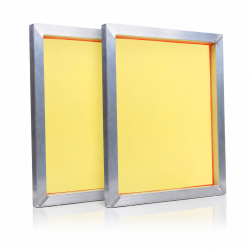
An exposure unit in screen printing is a specialized piece of
equipment used to expose photo emulsion on a screen printing mesh to
ultraviolet (UV) light in order to create a stencil. During exposure, the
emulsion hardens in the areas hit by light, while protected areas remain soft
and can be washed out to form the printable design.
The exposure unit plays a critical role in screen printing because
it directly determines stencil accuracy, edge sharpness, and print consistency.
Without controlled and even exposure, reliable and repeatable screen printing
results are not possible.
The role of an exposure unit in screen
printing
An exposure unit is responsible for transforming artwork into a
functional printing stencil.
Its main role includes:
●
Hardening photo emulsion in exposed areas
●
Preserving fine details and sharp edges in the
design
●
Ensuring consistent stencil quality across
multiple screens
●
Reducing underexposure and overexposure issues
A properly exposed screen allows ink to pass only through the
intended design areas during printing.
How an exposure unit works
An exposure unit works by emitting controlled UV light onto an
emulsion-coated screen.
The typical process includes:
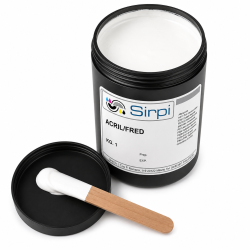
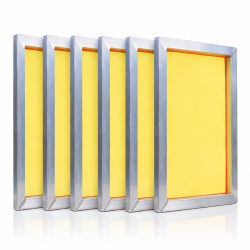
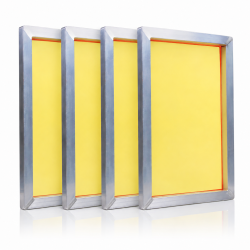
- Coating
the screen printing mesh with photo emulsion
- Allowing
the coated screen to dry in a dark environment
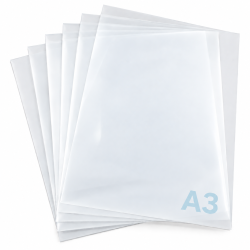
- Placing
a film positive with the artwork onto the screen
- Loading
the screen into the exposure unit
- Exposing
the screen to UV light for a specific time
- Hardening
the exposed emulsion areas
- Washing
out unexposed emulsion to reveal the stencil
Correct exposure time is essential, as it directly affects stencil
durability and print quality.
Types of exposure units used in screen
printing
Exposure units vary based on production scale, technology, and
light source.
The most common types include:
●
Fluorescent exposure units for entry-level and
small workshops
●
LED exposure units offering fast exposure and
energy efficiency
●
Metal halide exposure units for high-intensity
professional use
●
Vacuum exposure units for improved film
contact and detail accuracy
Each type provides different levels of precision, speed, and
consistency.
Exposure unit compatibility with emulsions and
inks
The performance of an exposure unit depends on compatibility with
the emulsion being used.
Key compatibility factors include:
●
Emulsion sensitivity to UV wavelength
●
Required exposure time based on emulsion
thickness
●
Ink type used during printing
●
Screen mesh count and coating method
Incorrect exposure settings can lead to stencil breakdown, loss of
detail, or difficulty during washout.
How an exposure unit affects print quality
Exposure quality has a direct impact on the final printed result.
Important effects include:
●
Sharper edges and cleaner print lines
●
Improved stencil durability during long print
runs
●
Reduced ink bleeding and image distortion
●
Consistent results across repeated prints
A stable and evenly lit exposure unit helps maintain professional
standards in screen printing production.
Where exposure units are commonly used
Exposure units are used in nearly all professional screen printing
environments.
Common applications include:
●
T-shirt and garment screen printing
●
Graphic and poster printing
●
Industrial and technical printing
●
Promotional product production
●
Manual and automatic screen printing setups
Any workflow that uses photo emulsion requires an exposure unit.
Advantages of using an exposure unit
Using a dedicated exposure unit provides several key benefits.
Main advantages include:
●
Accurate and repeatable stencil creation
●
Reliable exposure across the entire screen
●
Support for fine details and complex designs
●
Reduced setup errors and screen failures
●
Improved overall print consistency
These advantages make exposure units essential for professional
screen printing.
An exposure unit ensures that photo emulsion is exposed evenly and correctly, allowing printers to produce durable stencils with precise detail. It removes guesswork from stencil creation and provides consistency that cannot be achieved with uncontrolled light sources.