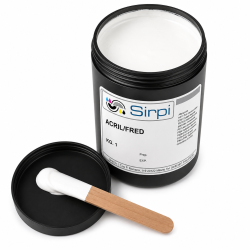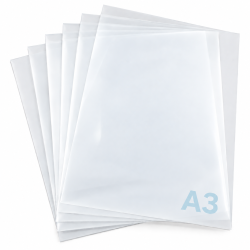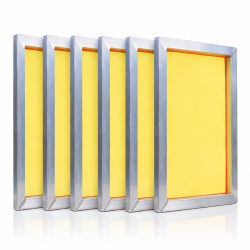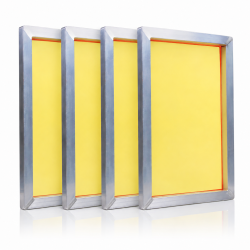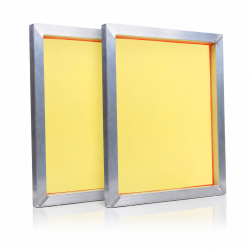
A photopolymer plate is a light-sensitive printing plate made from photopolymer material that hardens when exposed to ultraviolet (UV) light. It is used to create precise printing images by selectively exposing areas of the plate through a film positive, forming raised or recessed image areas depending on the printing process.
Photopolymer plates are commonly used in pad printing, flexographic printing, and other industrial printing applications. They are valued for their high detail resolution, consistency, and ease of image preparation.
Key characteristics of photopolymer plates
Photopolymer plates are designed to produce accurate and repeatable printing images through controlled light exposure.
Key characteristics include:
-
Light-sensitive photopolymer surface
-
Image formation through UV exposure
-
High detail and fine line reproduction
-
Consistent image depth and edge sharpness
-
Compatibility with automated plate-making systems
These characteristics make photopolymer plates suitable for precision printing applications.
How a photopolymer plate is made
The image on a photopolymer plate is created through a controlled exposure and washout process.
The plate-making process typically includes:
-
Placing a film positive with the design onto the plate
-
Exposing the plate to UV light
-
Hardening the exposed photopolymer areas
-
Washing out the unexposed material
-
Drying the plate to stabilize the image
-
Optional post-exposure to improve durability
This process creates a durable and accurate printing image.
Photopolymer plates in pad printing
In pad printing, photopolymer plates are used as clichés to hold the inked image.
Their role in pad printing includes:
-
Holding recessed image areas for ink transfer
-
Allowing clean ink pickup by silicone pads
-
Supporting fine details and small text
-
Providing consistent ink release during printing
-
Withstanding repeated print cycles
Photopolymer plates are widely used due to their efficiency and image quality.
Types of photopolymer plates
Photopolymer plates are available in different formulations depending on application needs.
The most common types include:
-
Water-wash photopolymer plates
-
Solvent-wash photopolymer plates
-
Steel-backed photopolymer plates
-
Polymer-backed photopolymer plates
-
Plates optimized for pad or flexographic printing
Each type offers different durability and processing characteristics.
Materials and inks compatible with photopolymer plates
Photopolymer plates are designed to work with specific ink systems and printing processes.
Common compatibility includes:
-
Pad printing inks (solvent-based and UV-curable)
-
Flexographic inks for packaging applications
-
Silicone pads for indirect ink transfer
-
Metal and polymer plate holders
-
Automated and manual printing machines
Using compatible inks and settings ensures long plate life.
Advantages of using photopolymer plates
Photopolymer plates offer several advantages over traditional metal-etched plates.
Main advantages include:
-
Faster and simpler plate production
-
Excellent detail and image consistency
-
Lower production cost for short and medium runs
-
Easier image modification and replacement
-
Reduced chemical handling compared to etching
A photopolymer plate is a light-sensitive printing plate used to create precise printing images through UV exposure. Its accuracy, efficiency, and versatility make it an essential component in pad printing and other industrial printing processes.