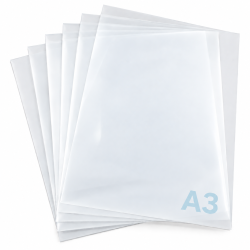
A laminator is a machine used to apply a protective laminate film to printed materials by using heat, pressure, or adhesive bonding. The lamination process seals the print between layers of film, improving durability, appearance, and resistance to moisture, abrasion, and fading.
Laminators are commonly used in printing, packaging, signage, and graphic production. They help extend the lifespan of printed products while enhancing their visual quality and professional finish.
Main characteristics of a laminator
Laminators are designed to protect and enhance printed materials by applying a uniform layer of laminate film.
Key characteristics include:
-
Application of protective laminate film to printed surfaces
-
Use of heat, pressure, or adhesive for bonding
-
Even and controlled lamination across the entire surface
-
Improved resistance to wear, moisture, and UV exposure
-
Enhancement of print appearance and surface finish
These characteristics make laminators essential in both commercial and industrial printing environments.
How does a laminator work?
A laminator works by bonding a thin plastic film to a printed material through a controlled lamination process.
The process typically includes:
-
Feeding the printed material into the laminator
-
Applying laminate film from one or both sides
-
Using heated or pressure rollers to activate bonding
-
Pressing the film evenly onto the surface
-
Sealing the laminate to the print
-
Trimming excess film if required
This process creates a sealed and durable layer that protects the printed content.
Types of laminators
Laminators are available in different types depending on application, material size, and production volume.
The most common types include:
-
Thermal laminators that use heat-activated film
-
Cold laminators that use pressure-sensitive adhesive film
-
Pouch laminators for documents and small prints
-
Roll laminators for large-format and continuous lamination
-
Industrial laminators for high-volume production
Each type is suited to specific materials and workflow requirements.
Materials compatible with laminators
Laminators can be used with a wide range of printed materials and substrates.
Common materials include:
-
Paper and cardboard
-
Photographs and posters
-
Labels and packaging materials
-
Vinyl prints and graphics
-
Signage and display materials
Compatibility depends on the laminate film type and laminator configuration.
Where are laminators commonly used?
Laminators are used across many industries that require protection and finishing of printed products.
Typical applications include:
-
Commercial and digital printing
-
Packaging and labeling production
-
Sign making and graphic displays
-
Educational and office document protection
-
Promotional and marketing materials
Their versatility makes laminators suitable for both professional and everyday use.
Advantages of using a laminator
Using a laminator provides multiple functional and visual benefits for printed materials.
Main advantages include:
-
Increased durability and print lifespan
-
Protection against moisture, dirt, and abrasion
-
Enhanced color depth and visual appeal
-
Professional and finished appearance
-
Improved handling strength for frequent use
These advantages make laminators an important finishing tool in the printing process.
A laminator is a finishing machine that applies a protective film to printed materials using heat or pressure. By improving durability, appearance, and resistance to damage, laminators play a key role in professional printing, packaging, and graphic production.