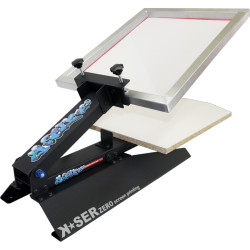
Best Screen Printing Machine for T-Shirts and Textiles
If you are looking for the best screen printing machine for T-shirts, hoodies and textile printing, the right choice depends on your production goals, experience level and workspace. For beginners, a manual screen printing machine is usually the best option because it is easier to manage, more affordable and ideal for learning the full printing process. For growing businesses and professional workshops, semi-automatic and automatic machines offer more speed, consistency and higher output.
A good screen printing machine helps you create durable, opaque and repeatable prints on textiles and other surfaces. Whether you want to print custom T-shirts at home, start a clothing brand or improve an existing print shop workflow, choosing the right setup is essential for better quality, efficiency and long-term results.
- Best for T-shirts, hoodies, tote bags and other garments
- Suitable for beginners, small businesses and professional print shops
- Available in manual, semi-automatic and automatic versions
- Useful for short runs, custom jobs and larger textile production
Table of Contents
- What is a screen printing machine?
- How does screen printing work?
- What types of screen printing machines are available?
- What is the best screen printing machine for beginners?
- What should you consider before buying a machine?
- Manual vs semi-automatic vs automatic machines
- Which materials can be printed?
- How to choose the right machine for high-volume printing
- Care and maintenance tips
- Final summary
1. What is a screen printing machine?
A screen printing machine is a system used to transfer ink through a mesh screen onto a surface such as fabric, paper, plastic or wood. It is one of the most reliable printing methods for textiles because it produces strong color coverage, long-lasting results and consistent print quality across multiple items.
For T-shirt printing, screen printing machines are especially popular because they allow you to produce custom garments with sharp details and durable ink deposits. They are used by beginners, creative studios, clothing brands and industrial textile printers alike.
2. How does screen printing work?
Screen printing works by creating a stencil on a mesh screen. Ink is then pushed through the open parts of the mesh using a squeegee and transferred directly onto the material below. This method makes it possible to print solid colors, bold graphics and durable designs on a wide variety of surfaces.
It is especially effective for textiles such as T-shirts and hoodies because it produces prints that remain visible, opaque and resistant over time. Depending on the setup, screen printing can be used for single custom items, limited runs or larger-scale production.
3. What types of screen printing machines are available?
There are three main categories of screen printing machines, and each one suits a different type of user:
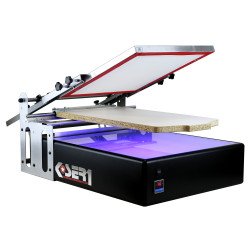
- Manual screen printing machines: ideal for beginners, small studios and short production runs.
- Semi-automatic screen printing machines: suitable for medium-volume production and improved consistency.
- Automatic screen printing machines: best for high-volume commercial and industrial textile printing.
The best option depends on your budget, output requirements and how much control or speed you need in your workflow.
4. What is the best screen printing machine for beginners?
The best screen printing machine for beginners is usually a manual machine with a simple, stable and easy-to-manage structure. This type of machine allows new users to understand the full printing process, improve alignment, learn ink control and practice repeatable results without the cost and complexity of a more advanced automated system.
For most people starting out, a beginner-friendly machine should offer:
- Simple setup and easy operation
- Reliable frame and platen stability
- Good compatibility with T-shirts and other textile products
- Enough print area for standard garment designs
- A practical balance between cost and usability
If your goal is to print T-shirts at home, develop your first custom clothing products or learn textile screen printing step by step, a manual screen printing machine is often the smartest starting point.
5. What should you consider before buying a screen printing machine?
Before choosing a screen printing machine, it is important to think about the real type of work you want to do. The most important factors include:
- Print size: make sure the machine supports the print area needed for T-shirts, hoodies or larger textile products.
- Production volume: small runs and custom work usually need a different machine than regular large-batch production.
- Materials: some setups focus on textiles, while others can also be used for paper, plastic, wood and other surfaces.
- Ease of use: beginners benefit from machines that reduce setup difficulty and improve learning speed.
- Build quality: a strong, stable machine helps improve consistency and durability.
- Budget: choose based on long-term value, not only on the lowest initial price.
The best machine is not always the most advanced one. In many cases, a simpler and more reliable setup gives better real-world results, especially when learning or running small-scale production.
6. Manual vs semi-automatic vs automatic machines
Manual screen printing machines
Manual machines are best for beginners, custom jobs, small clothing brands and creative workshops. They offer lower costs, greater control and a practical way to learn the process in depth.
Semi-automatic screen printing machines
Semi-automatic machines are a strong choice for businesses that want more speed and repeatability while still maintaining part of the process manually. They help increase production without jumping straight into a fully industrial solution.
Automatic screen printing machines
Automatic machines are designed for high-volume workflows, commercial production and professional textile printing companies. They offer maximum speed, better consistency over large runs and a more efficient workflow for regular production.
7. Which materials can be printed with a screen printing machine?
A screen printing machine can be used on many different materials, depending on the ink system, screen setup and machine design. Common applications include:
- Textiles: T-shirts, hoodies, sweatshirts, tote bags and garments
- Paper and cardboard: posters, packaging and art prints
- Wood: decorative and custom projects
- Plastic: signs, promotional surfaces and selected rigid materials
- Other creative surfaces: depending on the project and ink compatibility
For most users, textile printing remains the main use case, especially for custom T-shirts and apparel production.
8. How to choose the right machine for high-volume printing
If you need to print large quantities, your machine must support a more efficient and repeatable workflow. In this case, the most important factors are:
- Production speed for higher daily output
- Stable alignment for consistent print placement
- Strong construction for long-term intensive use
- Workflow efficiency to reduce downtime and manual corrections
For high-volume T-shirt printing, semi-automatic or automatic machines are usually the best choice because they make it easier to maintain quality while increasing output.
9. Care and maintenance tips
Proper maintenance improves both print quality and machine lifespan. Even the best screen printing machine performs poorly if it is not cleaned and checked regularly.
- Clean the machine after each printing session to remove ink residue and buildup
- Check screens and frames regularly to keep mesh tension and print quality consistent
- Inspect moving parts and alignment points for wear or looseness
- Keep essential consumables and spare parts available to reduce interruptions
A well-maintained setup helps reduce printing errors, keeps production smoother and protects your investment over time.
10. Final summary
The best screen printing machine for T-shirts and textiles depends on your real production needs. For beginners and small creative projects, a manual machine is often the best place to start. For growing businesses, a semi-automatic machine offers a strong balance between control and productivity. For high-volume textile printing, automatic machines provide the speed and consistency needed for professional output.
When comparing options, focus on print size, supported materials, ease of use, machine stability and production goals. Choosing the right machine from the start makes it easier to get better prints, improve workflow efficiency and scale your textile printing setup over time.
Key Takeaways
- The best screen printing machine for beginners is usually a manual machine with a simple and stable structure.
- Manual machines are ideal for learning, short runs and custom T-shirt printing.
- Semi-automatic and automatic machines are better for medium and high production volumes.
- Print size, materials, stability and usability matter more than choosing the most complex machine.
- Regular maintenance helps improve print quality and machine longevity.
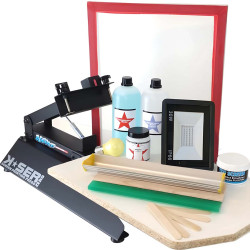
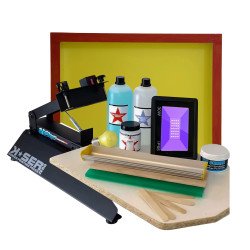
Screen printing yourself is one of the most practical ways to create custom T-shirts, bags and textile products. With the right beginner setup, including a stable screen printing machine, suitable screens, a squeegee and the right ink, it becomes much easier to turn ideas into clean, repeatable and professional-looking prints.