
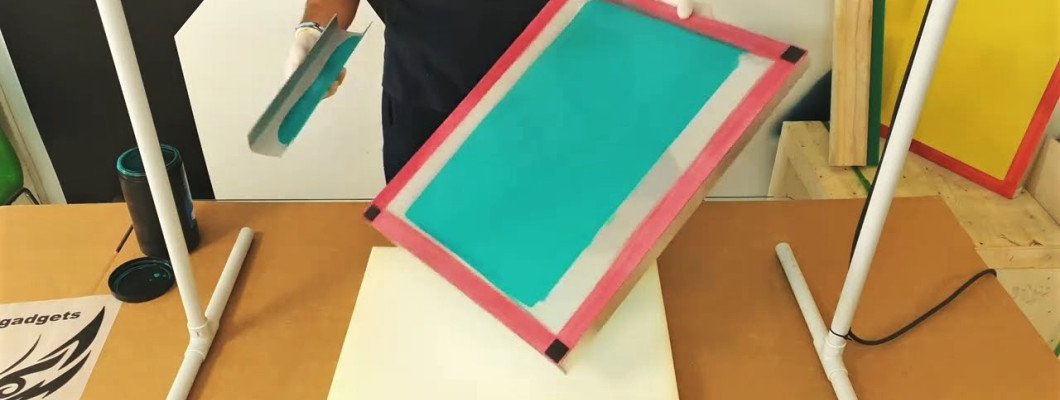
Photo emulsion plays a central role in screen printing, yet for many beginners it remains one of the most confusing parts of the process. Uneven coatings, stencils that wash out too easily, or designs that fail during printing often trace back not to the ink or the screen, but to how the emulsion was prepared and applied. Understanding how photo emulsion works is the foundation for creating clean, repeatable, and professional-quality prints.
Unlike equipment that delivers instant results, emulsion requires patience and attention to detail. Factors such as screen preparation, coating technique, drying conditions, and exposure time all influence the final stencil. Small mistakes at this stage can lead to blurred edges, pinholes, or fragile stencils that break down mid-run. That is why learning how to use photo emulsion correctly saves time, materials, and frustration in the long run.
This guide is designed to walk you through the photo emulsion process step by step, from preparation to exposure and washout. Whether you are setting up your first screen or refining your workflow, understanding each stage will help you gain more control over your prints and build a consistent screen printing routine that delivers reliable results.
What Is Photo Emulsion in Screen Printing
Photo emulsion is a light-sensitive coating that allows screen printers to transfer a design onto mesh and create a printable stencil. Once applied to the screen and exposed to UV light, the emulsion hardens in specific areas, blocking ink where needed and leaving open spaces for ink to pass through. This process is what makes detailed and repeatable screen printing possible.
At its core, photo emulsion acts as a bridge between your artwork and the final print. Without it, controlling ink flow and achieving clean edges would be extremely difficult, especially for complex designs. Because emulsion directly affects stencil quality, even small inconsistencies can influence print sharpness, durability, and overall consistency.
Photo emulsion is used across many screen printing applications, from apparel and posters to packaging and promotional items. Its popularity comes from its flexibility, allowing printers to adapt the same basic process to different inks, mesh counts, and production volumes.
Key reasons photo emulsion is essential in screen printing include:
- It enables precise stencil creation for detailed designs
- It controls where ink passes through the mesh
- It supports repeatable prints across multiple runs
- It works with a wide range of inks and substrates
- It allows screens to be reclaimed and reused
Understanding the role of photo emulsion helps printers see it not as a technical obstacle, but as a powerful tool that defines print quality from the very first step.
Types of Photo Emulsion for Screen Printing
Choosing the right photo emulsion depends on your printing setup, ink type, and experience level. Different emulsions are formulated to perform best under specific conditions, and using the wrong type can lead to poor exposure results or fragile stencils.
The most common types of photo emulsion used in screen printing include:
Water-based emulsion
Often preferred by beginners, this type is easier to handle and clean. It works well for water-based inks and shorter print runs but offers lower resistance to aggressive inks.
Solvent-resistant emulsion
Designed for plastisol and solvent-based inks, this emulsion provides stronger stencil durability and is better suited for long production runs.
Dual-cure emulsion
A versatile option that combines features of both water-based and solvent-resistant emulsions. It offers good durability and flexibility across different ink types.
Each emulsion type responds differently to coating thickness, drying time, and exposure duration. Understanding these differences helps prevent common issues like underexposed stencils or difficult washouts.
TIP: If you are unsure which emulsion to start with, choose one that matches your primary ink type and printing volume. Matching emulsion to ink is more important than choosing the most advanced formula.
Preparing the Screen for Photo Emulsion
Proper screen preparation is one of the most important steps before applying photo emulsion. Even the highest-quality emulsion will not perform correctly if the mesh is contaminated with dust, oils, or residue from previous prints. Many stencil failures happen at this stage, often without the printer realizing that preparation is the root cause.
Before coating, the screen must be completely clean and dry. Any remaining ink, cleaning chemicals, or oils from handling can prevent emulsion from bonding evenly to the mesh. This leads to common issues such as pinholes, fisheyes, or emulsion peeling during washout. Preparing the screen carefully creates a stable surface that allows the emulsion to cure and expose properly.
Key preparation steps and their purpose are outlined below:
| Preparation step | Purpose | Result |
|---|---|---|
| Ink removal | Clears visible ink from mesh | Prevents staining and blockage |
| Deep cleaning | Removes residue and particles | Ensures even emulsion contact |
| Degreasing | Eliminates oils and contaminants | Improves emulsion adhesion |
| Complete drying | Removes moisture from mesh | Prevents coating defects |
Skipping or rushing any of these steps increases the likelihood of stencil problems later in the process. Clean, dry, and degreased mesh provides the ideal foundation for smooth emulsion application and consistent exposure results.
TIP: Always handle prepared screens by the frame edges or wear clean gloves. Skin oils transferred to the mesh after degreasing can interfere with emulsion bonding.
How to Apply Photo Emulsion Correctly
Applying photo emulsion correctly requires steady technique and attention to consistency rather than speed. The goal is to create an even, controlled layer of emulsion that supports your design without becoming too thick or too thin. Uneven coatings often result in exposure issues and fragile stencils.
A controlled application process helps ensure predictable results across multiple screens. While techniques may vary slightly depending on equipment and experience, the fundamental steps remain the same for most setups.
A reliable approach to applying photo emulsion includes:
- Pouring an appropriate amount of emulsion into the scoop coater
- Holding the screen at a slight angle for controlled flow
- Applying the first coat smoothly on the print side
- Optionally applying a second coat on the squeegee side for durability
- Maintaining consistent pressure and speed during each pass
- Avoiding stops or uneven movements that cause streaks
The thickness of the emulsion layer directly affects exposure time and stencil strength. Thicker coatings may require longer exposure, while thinner coatings allow for finer detail but may be less durable.
Taking the time to apply emulsion evenly builds confidence in the next stages of drying and exposure, reducing the need for trial-and-error adjustments later.

Drying the Screen After Coating Emulsion
Once the photo emulsion is applied, proper drying becomes a critical step that directly affects exposure quality and stencil durability. Rushing this stage or drying the screen in uncontrolled conditions often leads to uneven exposure, soft stencils, or premature breakdown during printing. Drying allows the emulsion to stabilize on the mesh and prepares it for accurate UV exposure.
Drying should always take place in a clean, dark environment to prevent accidental exposure. Airflow, temperature, and humidity all influence how evenly the emulsion dries. A controlled drying process helps ensure that the emulsion layer remains smooth and consistent across the entire screen.
For best results, follow these key drying principles:
- Place the screen horizontally or vertically with the print side facing down
- Keep the drying area free from dust and airborne particles
- Maintain moderate temperature and low humidity
- Allow sufficient time for the emulsion to dry completely
- Avoid direct light sources during drying
Incomplete drying is a common cause of exposure problems. Emulsion that feels dry on the surface but remains soft underneath may wash out unevenly or fail during printing. Giving the screen enough time to dry fully creates a stable base for the next stage of the process.
Exposing Photo Emulsion and Washing Out the Design
Exposure is the moment when your design is transferred onto the screen and transformed into a usable stencil. During this step, UV light hardens the emulsion in uncovered areas while leaving the design areas water-soluble. Accurate exposure timing is essential for achieving clean edges and a durable stencil.
After exposure, the screen is rinsed with water to remove unexposed emulsion. This washout process reveals the design and opens the mesh where ink will later pass through. Both underexposure and overexposure can cause problems, making this stage one of the most sensitive parts of working with photo emulsion.
Important points to focus on during exposure and washout include:
- Using a consistent and reliable UV light source
- Positioning artwork firmly against the screen
- Following recommended exposure times as a starting point
- Washing out gradually with controlled water pressure
- Inspecting the stencil carefully after washout
A properly exposed stencil should feel firm to the touch while remaining flexible enough to withstand printing. Clean washout results indicate that earlier steps - coating, drying, and preparation - were done correctly.
Final Thoughts on Using Photo Emulsion for Screen Printing
Learning how to use photo emulsion for screen printing is a gradual process that improves with practice and attention to detail. Each stage - from screen preparation and coating to drying and exposure - builds on the previous one. When these steps are approached thoughtfully, the entire screen printing workflow becomes more predictable and far less stressful.
Photo emulsion is not just a technical material but a key element that defines print quality before ink ever reaches the screen. Small adjustments in handling, timing, and environment often make a noticeable difference in stencil durability and consistency. By understanding how emulsion behaves and why each step matters, printers gain greater control over their results instead of relying on trial and error.
Ultimately, successful screen printing is built on strong fundamentals. Taking the time to apply photo emulsion correctly helps establish a reliable routine that supports cleaner prints, fewer mistakes, and more confidence with every project. When patience and consistency guide the process, photo emulsion becomes a dependable tool rather than a source of frustration.
Leave a Comment