
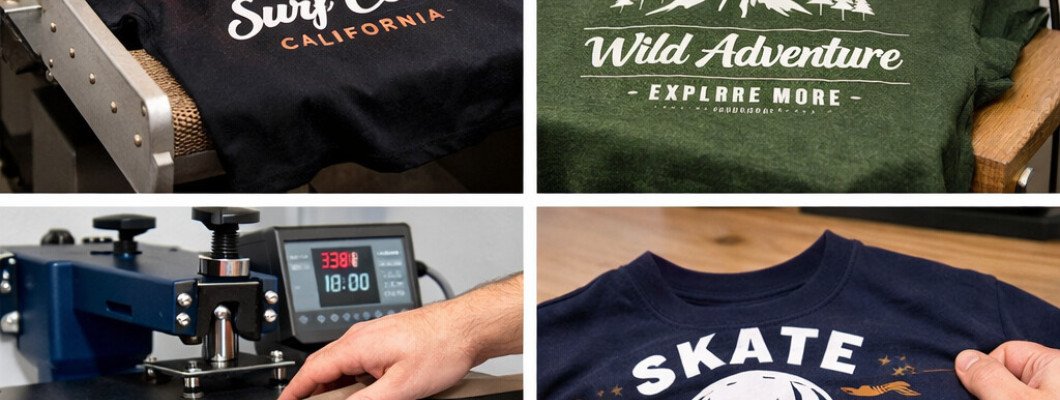
Water based inks have become a popular choice in screen printing thanks to their soft hand feel, eco-friendly profile, and versatility across different fabrics. However, many printers quickly discover that achieving great results with these inks is not just about how the print looks coming off the screen. The real challenge begins after printing, when the durability of the design is put to the test. Without proper curing, even the cleanest print can fade, crack, or wash out sooner than expected.
One of the most common frustrations in screen printing is assuming that water based inks are “done” once they feel dry to the touch. In reality, drying and curing are two very different processes. A print may appear finished, but if the ink has not been cured correctly, it will not withstand wear, washing, or stretching. This gap between appearance and performance is where many beginners - and even experienced printers - run into problems.
Understanding how to cure water based inks in screen printing is the key to producing long-lasting, professional results. When curing is done correctly, prints remain flexible, vibrant, and durable over time. In this guide, we will break down the curing process step by step, explain why it matters, and help you avoid the most common mistakes so your prints perform as well as they look.
What Curing Means for Water Based Inks
Curing is the process that makes water-based ink fully bond with the fabric fibers and become durable over time. Unlike plastisol inks, which solidify when heated, water-based inks rely on the evaporation of moisture and the activation of binders within the ink. This means curing is not just about removing water, but about reaching the right balance of heat, airflow, and time.
A common misconception is that if a print feels dry, it is already cured. In reality, surface dryness only indicates that moisture has evaporated from the top layer. If the ink has not reached the proper curing conditions throughout the print layer, it will remain vulnerable to washing, abrasion, and stretching. Proper curing ensures that the ink becomes part of the fabric rather than sitting on top of it.
When water-based inks are cured correctly, printers benefit in several important ways:
- improved wash durability and color stability
- softer print feel without cracking
- better stretch recovery on garments
- reduced risk of customer complaints
- more consistent results across production runs
Understanding what curing actually does helps shift the focus from appearance alone to long-term performance. This perspective is essential for anyone aiming to produce professional-quality screen prints.
Ideal Temperature and Time for Curing Water Based Inks
Temperature and time work together during the curing process, and both must be controlled carefully. Water based inks typically require a specific temperature range to fully activate their binders. Reaching that temperature briefly is often not enough - the ink must stay there long enough for curing to occur evenly across the print.
While exact requirements can vary depending on the ink formulation and fabric type, curing usually happens at moderate heat levels compared to plastisol inks. The challenge lies in maintaining consistent heat throughout the print without scorching the garment or under-curing the ink.
A practical approach to curing water based inks includes the following steps:
- Gradually heat the print to the recommended curing temperature
- Maintain that temperature across the entire printed area
- Allow sufficient dwell time for moisture to fully evaporate
- Ensure proper airflow to support even drying
- Let the garment cool naturally before handling or stacking
Rushing this process often leads to prints that look fine initially but fail during use. Consistency is far more important than speed when curing water based inks.
TIP: Always test curing results on scrap garments before full production. Small adjustments in temperature or time can make a significant difference in durability without affecting the look or feel of the print.
Methods for Curing Water Based Inks
There are several effective methods for curing water based inks in screen printing, and each offers a different balance of control, efficiency, and accessibility. Choosing the right method is less about finding a “perfect” solution and more about understanding how heat, airflow, and time work together to activate the ink. Because water based inks behave differently from plastisol, curing requires a more thoughtful approach.
A conveyor dryer is often considered the most reliable option for curing water based inks. It delivers consistent temperature and controlled airflow across the entire printed area, which helps moisture evaporate evenly. This method is especially useful for larger production runs where consistency is critical. Heat presses are another popular choice, particularly for small shops or home setups. They provide precise temperature control, but limited airflow means prints may require longer dwell times or additional drying steps.
Other methods can support or supplement the curing process:
- Flash dryers are commonly used to speed up surface drying between layers, but they rarely provide full curing on their own
- Low-cure additives help reduce the temperature required for curing, making them useful when working with delicate fabrics
- Air drying allows moisture to evaporate naturally, but without heat, full curing is difficult to achieve consistently
In many workflows, combining methods produces the best results. For example, gentle pre-drying followed by controlled heat can help balance softness and durability without damaging the garment.
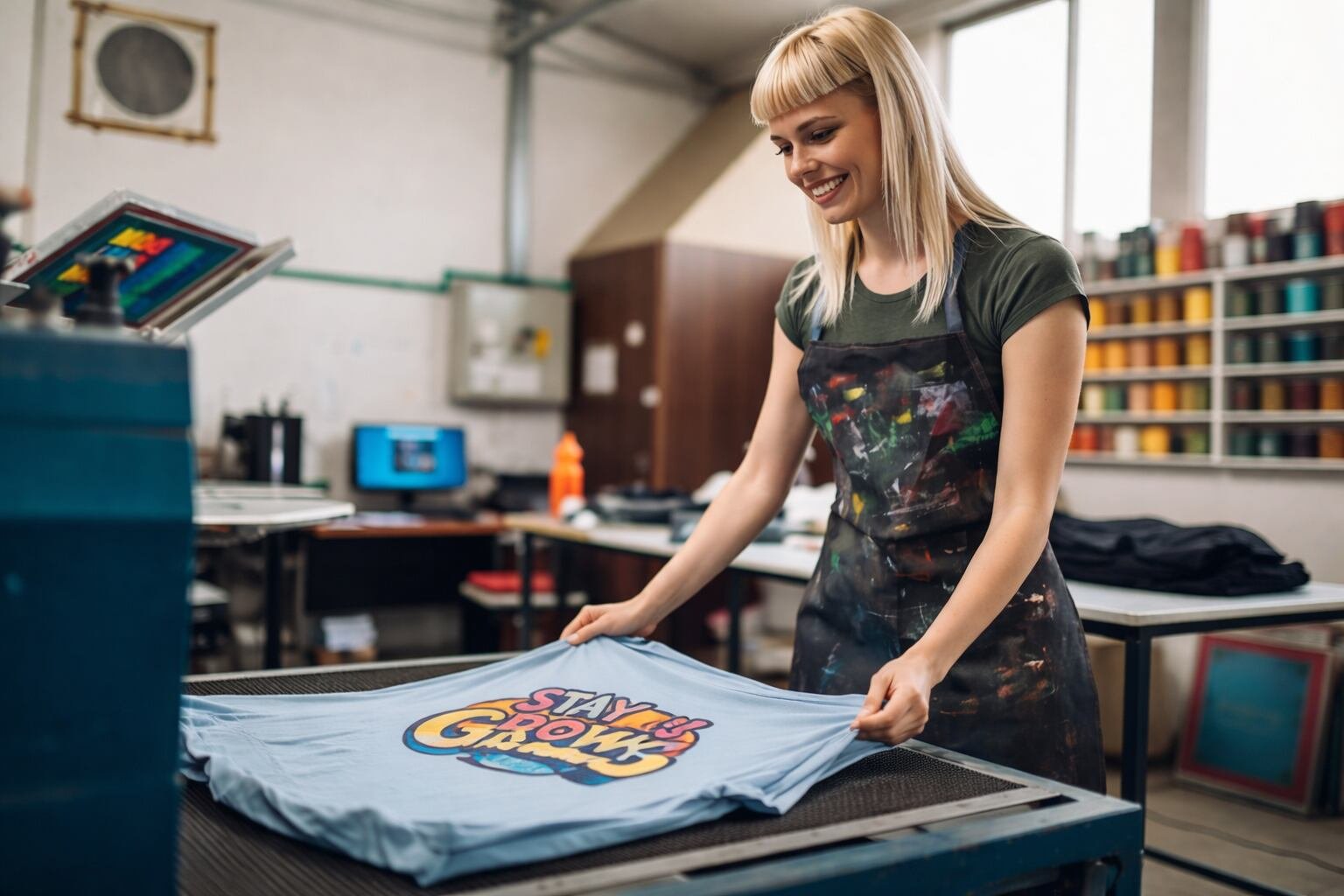
Common Mistakes When Curing Water Based Inks
Curing problems with water based inks often come from small oversights rather than major technical failures. These issues tend to surface later, when prints are washed or worn, making them especially frustrating. Understanding common mistakes helps printers adjust their process before defects become permanent.
One of the most frequent errors is confusing dryness with proper curing. A print that feels dry may still contain uncured binders beneath the surface. Another common issue is applying too much heat too quickly, which can trap moisture inside the ink layer and weaken the final bond with the fabric.
Other mistakes that negatively affect curing include:
- inconsistent temperature across the printed area
- curing thick ink layers without adjusting time or heat
- overlooking the impact of humidity and airflow
- removing garments from heat before curing is complete
- stacking or folding prints while they are still warm
These mistakes can lead to fading, cracking, or reduced wash durability over time. By slowing down and monitoring each stage of the curing process, printers can avoid these pitfalls and achieve more reliable results.
How to Test if Water Based Inks Are Properly Cured
Testing is the final checkpoint that confirms whether the curing process was successful. Because water based inks can appear fully finished before they are actually cured, simple tests help identify potential issues before prints go into use or delivery. Performing these checks consistently reduces the risk of premature wear and customer dissatisfaction.
One of the most common methods is the stretch test. By gently stretching the printed area, you can observe how the ink reacts. Properly cured ink should stretch with the fabric and return to its original shape without cracking or separating. Another practical approach is the wash test, where the garment is washed under normal conditions to see if the print fades, softens excessively, or deteriorates.
Additional indicators of proper curing include:
- stable color with no powdery residue
- consistent texture across the print
- no tackiness after cooling
- even flexibility across the entire design
Testing does not need to be complex or time-consuming. Simple, repeatable checks provide valuable feedback and allow small adjustments before full production continues.
Final Thoughts on Curing Water Based Inks in Screen Printing
Curing water based inks correctly is one of the most important steps in producing durable, high-quality screen prints. While the process requires more attention than simply letting ink dry, it rewards printers with softer prints, better wash resistance, and greater consistency over time.
By understanding what curing truly involves and choosing methods that suit your setup, you gain more control over print performance. Small adjustments in temperature, timing, and airflow often make a significant difference, especially when combined with regular testing and awareness of common mistakes.
In the long run, successful curing is less about speed and more about balance. When water based inks are cured with care and consistency, prints not only look better on press but continue to perform well throughout their lifespan.
Leave a Comment